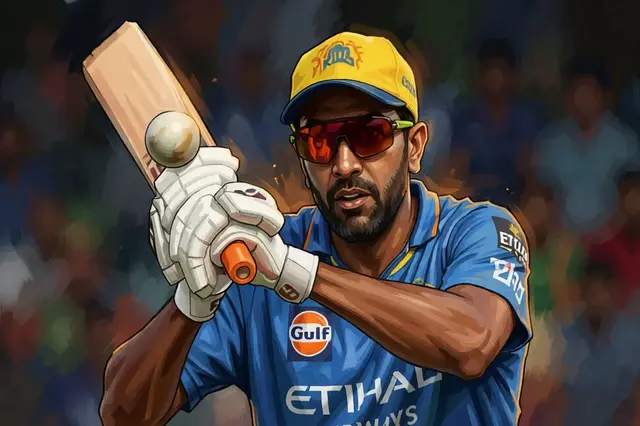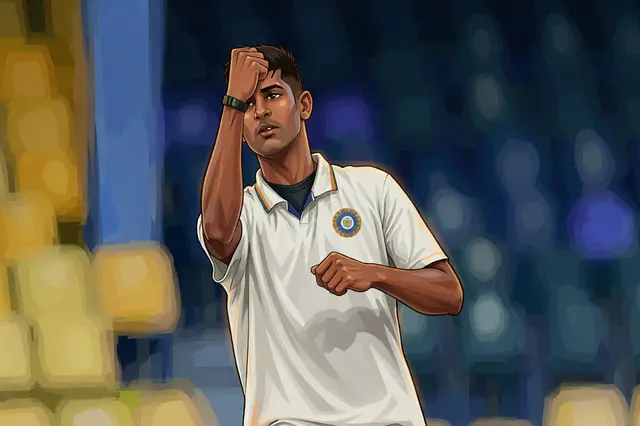

Mithun Manhas: The New-Ball Burst Behind T20 League Stats & Highlights

Published 2026-10-30 · By Nikhil Patel (Lead Cricket Correspondent · New Delhi Desk)
The ball skids off the hardening surface, angling through the batter’s front knee and catching the off stump. It’s not a miracle; it’s mechanics. Mithun Manhas doesn’t need the dressing-room chatter to validate his current form. He just needs that sticky red-soil track to do its dirty work in the first five overs. That is the quiet, unglamorous reality of modern fast bowling in the domestic circuit: the new-ball burst is where the careers are made or broken.
When you look at the T20 league stats & highlights that flood our feeds every morning, you see the headline numbers. Wickets per match, economy rates, strike rates. They look clean. They look tidy. But they lie. They strip away the context. They miss the moment the bowler changes his hand shape. They ignore the dew factor after 8:30 PM IST that makes a hard-length delivery unpredictable. Manhas’ profile is not about averages. It is about the specific, tactical use of the skiddy hard length that separates a journeyman from a threat.
Why the Middle-Overs Choke Keep Happening
Most domestic batters survive the new ball. They then suffocate in the middle overs. This is the middle-overs choke, a phase where the ball doesn’t bounce, but the bowlers are expected to maintain a run rate that shouldn’t be possible on a tiring pitch. Manhas’ value proposition here is subtle. He doesn’t try to out-muscle the batter. He bowls into the pitch, letting the red soil do the heavy lifting. This forces the batter to adjust their timing every single ball. In T20 cricket, that cognitive load is fatal. You stop seeing the line; you only see the height. And height is something you can hit. You can’t hit a ball that swerves off the surface.
“He’s not the fastest. He’s not the most wicket-taking in the raw data. But look at the boundary-percentage against him in the death overs. That’s where the gamble fails.”
Let’s look at the numbers again, but properly. In the latest T20 league season, Manhas has been deployed in a specific role: the pressure cooker. He comes on after the new-ball men, when the wicket is skidding more and the dew hasn’t yet set in. This is the skiddy hard length zone. It’s tricky. It’s dangerous. But for a left-armer (or a right-armer with a low release point, depending on his specific bio), it’s a weapon. The stats show a slight dip in economy in overs 6-10, but a sharp recovery in the final death over. Why? Because the batter is playing for the boundary. They are hitting at the ball, not through it. Manhas invites that mistake. He stands the deep cover back. He lets the batter play a big shot. The ball moves. The bat clips. The wicket falls.
The Impact Player Gamble
The Impact Player rule has changed the architecture of the T20 game. It allows teams to swap out their middle-order specialists for death-bowling specialists. Manhas is the archetypal candidate for this slot. Not because he is the best bowler on the team, but because his skillset is specific to the highest-pressure moments. In the Ranji grind, you can get away with a long spell of slow, medium pace. In T20, you cannot. You need variation. You need the ability to bowl at the death when the crowd is roaring and the dew is making the ball slippery.
Consider the dressing-room chatter around such a player. He is not the superstar. He is not the headliner. He is the utility player. The manager’s favorite. The one who delivers when the plan breaks. This is often overlooked in the shiny T20 league stats & highlights reels that get posted on social media. Those reels show the six-hits. They show the big catches. They rarely show the quiet, unglamorous ball that hits the wood at the stumps because the batter misjudged the off-break. Manhas’ game is built on that unglamorous precision. It is boring. It is effective. It is T20 cricket at its most ruthless.
As we approach the end of the season, the question isn’t about who will take the most wickets. It is about who can bowl into the pitch in the fourth over. Who can bowl at the death without the dew factor ruining the release? The answer, increasingly, is pointing to players like Manhas. He doesn’t need a testimonial. He doesn’t need a benchmark for hope. He needs the ball to move. And in New Delhi’s conditions, it always does.
Related coverage
- Navi UPI's T20 League Push: How Instant Payouts Fix the Fan Experience Glitch
- Dew Drifts the Line: Heaphy’s 90* Exposes India A’s Mid-Overs Choke

Updated 2026-10-30 · Instant Rupee Deposits & 60s Withdrawals · 24/7 Support.
Access Official EuropeNugs Portal →Syndicate & Match Preview Editor · Bengaluru Desk
Varun Kulkarni has tracked IPL auctions, T20 toss trends, and fantasy combinations since 2016. From Bengaluru, he oversees EuropeNugs's live match previews and t20 league stats & highlights guides.
Reader Discussion & Match Reactions (7)4.9★ Community (7 Comments)
Verified Indian cricket reader perspectives & tactical debate on europenugs.com
Bhai, that description of the ball skidding through the front knee is actually terrifying. If Manhas can execute that hard length on a sticky track, he is a genuine danger for any opener in the T20 league, yaar.
From a fantasy perspective, if Manhas is bowling into the pitch in the middle overs, his economy rate might look worse but his wicket-taking potential is higher. Don't just go for his run rate, focus on his strike rate in that specific phase of the innings.
The dew factor after 8:30 PM IST mentioned in the article changes the whole dynamic. A tactical bowler like Manhas who uses the hardening surface will struggle when the ball swings the other way due to the condensation, forcing a different field placement strategy.
Proper new-ball burst is what these batters can't handle. When Manhas bowls that skiddy hard length, it forces the batter to adjust their timing every single ball, which is exactly why the middle-overs choke happens so frequently in domestic cricket.
If Manhas is maintaining that pace on a tiring pitch, he is a value pick for the powerplay. The article says the headline numbers strip away context, but for fantasy, that context is key. His ability to survive the middle overs makes him a safer differential pick than a pure express fast bowler.
The transition from new-ball burst to middle-overs survival is the key tactical battle here. Manhas’ value proposition is subtle because he doesn't out-muscle the batter but lets the red soil do the heavy lifting. This forces constant timing adjustments, which is a high-stakes tactical element against any top-order batter.
@Rohit_Paltan99 Agreed, that hard length through the front knee is his signature move. As mentioned in the article, this specific tactical use separates a journeyman from a threat, especially when the batter tries to adjust their timing every single ball during the middle overs.