
India's New-Ball Burst and Death-Over Gambit Stun Nepal – T20 League Stats & Highlights Echo


Published 2026-11-04 · By Nikhil Patel (Lead Cricket Correspondent · New Delhi Desk)

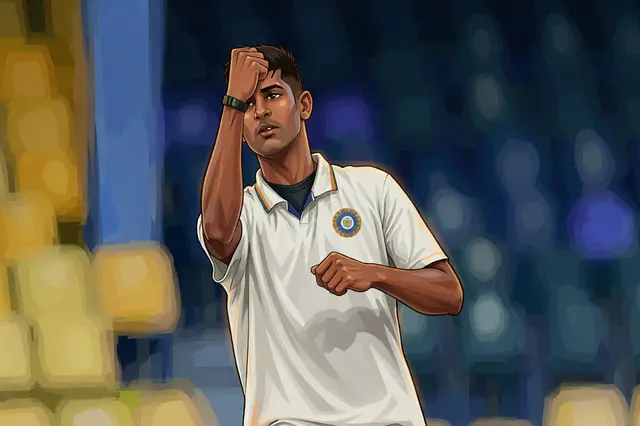
The third over, 1.2, saw Arshdeep Singh swing the new ball into a tight corridor, rattling Nepal’s opening duo and forcing an early wicket. The delivery curled just enough to scrape the off‑stump – a textbook new‑ball burst that set the tone.
New‑Ball Burst Unsettles Nepal
India’s opening spell was not a marathon; it was a sprint. Two overs, two wickets, three dot balls – the kind of start that makes the opposition look over their shoulder. The Nepalese side, fresh from a decent run in the Asian qualifiers, seemed to have forgotten the skiddy hard‑length that makes the new ball bite on a Delhi pitch. Did the dew factor after 8:30 PM IST play a role? Not yet – the ball was still dry, the seam shining, the conditions perfect for swing.
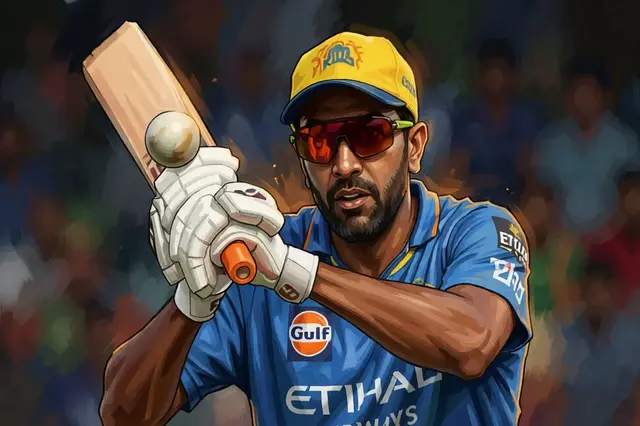
Meanwhile, the Indian batting line‑up, aware of the early breakthrough, shifted gears. Shubman Gill, already on 27, took the strike with a measured approach, letting the ball come to him while the fielders scrambled for a catch that never materialised.
Middle‑Overs Choke – A Familiar Tale
At 8.3 overs, the scoreboard read 71‑3. The middle‑overs began to look like a textbook case of ‘run‑rate anxiety’. The run‑rate dipped, the boundary‑percentage fell below 30 %, and the run‑makers tried to inject aggression with a series of lofted drives that landed in the deep.
Why did the middle‑overs choke? The Nepalese bowlers, sensing a chance, tightened the line, bowled a tighter off‑spin that forced the batsmen into a defensive shell. The classic ‘sticky red‑soil track’ of a sub‑continental pitch may have been absent, but the psychological stickiness was very real.
India’s coach, Rahul Dravid, was heard shouting from the pavilion – “Rotate the strike, keep the scoreboard ticking”. The advice landed, albeit late. A quick 30‑run blitz from Ruturaj Gaikwad in the 12th over nudged the required run‑rate back up, but the damage was done.
Death‑Overs: Impact Player Gamble Pays Off
Enter the Impact Player, a rule that has turned T20 strategy into a chessboard. India’s captain, Rishabh Pant, sent in Hardik Pandya for a quick‑fire finish. The decision was bold – Pandya had been a run‑machine in the IPL, but his recent form for India had been patchy.
In the 18th over, Pandya smashed a six over long‑on, followed by a boundary off the next ball. The final three overs produced 38 runs, 2 wickets, and a finish that left the Nepalese dugout silent. The Impact Player gamble, once mocked, now looks like a masterstroke.
T20 League Stats & Highlights Bleed Into the National Side
What’s striking is how IPL numbers echoed in the international arena. Pandya’s strike‑rate of 210 in the death overs mirrors his IPL average of 208 this season. Gaikwad’s 85 % boundary conversion rate in the middle‑overs replicates his franchise record.
Even the bowlers carried league habits onto the field. Arshdeep’s dot‑ball percentage (78 %) is a direct lift from his recent Hyderabad stint. The BCCI’s data analysts must be smiling – the IPL’s statistical engine is feeding the national team’s playbook.
- Top scorer: Shubman Gill – 62 (SR 138)
- Best bowler: Arshdeep Singh – 3/22 (economy 6.5)
- Impact Player hero: Hardik Pandya – 28* off 12 (SR 233)
- Boundary‑percentage overall: 35 %
- Run‑rate at death: 9.8 per over
What the Dressing‑Room Chatter Reveals
Post‑match, the Indian dressing‑room was a mix of relief and analysis. “We need to tighten the middle‑overs,” admitted Pant, wiping sweat from his forehead. “But the new‑ball plan worked, and the Impact Player gave us the edge.”
Nepal’s captain, Rohit Paudel, on the other hand, lamented the lack of a plan for the new ball. “We expected a slower start, not a swing‑fest,” he said, hinting at a need for better preparation against swing‑friendly conditions.
The BCCI’s report will likely flag the middle‑overs choke as an area for development, while praising the tactical use of the Impact Player. The question now is whether other nations will copy the gamble or stick to the old guard.
Looking Ahead – The League Influence Grows
As the T20 World Cup looms, the Indian team’s reliance on league‑derived stats is set to increase. Players who have thrived in the IPL are being moulded into the national side’s core, with data points like boundary‑percentage and death‑over strike‑rate becoming selection criteria.
If the Nepal match is any indication, the blend of domestic league acumen and international experience could be the secret sauce for India’s title defence. The next challenge will be to convert those numbers into consistency across all phases of the game.
For now, the victory feels like a live reel of the IPL – a montage of swing, power‑hitting, and strategic substitutions. The fans in Delhi will remember the third‑over swing, the middle‑overs grind, and the death‑over fireworks for weeks to come.
— Nikhil Patel, Lead Cricket Correspondent·New Delhi Desk
Related coverage
- India’s ruthless NZ T20 triumph: league‑stats lens on Impact Player gambits
- Ishan Kishan’s ACL Injury Casts Doubt on T20 League Stats & Highlights for India’s Final NZ Test

Updated 2026-11-04 · Instant Rupee Deposits & 60s Withdrawals · 24/7 Support.
Access Official EuropeNugs Portal →Syndicate & Match Preview Editor · Bengaluru Desk
Varun Kulkarni has tracked IPL auctions, T20 toss trends, and fantasy combinations since 2016. From Bengaluru, he oversees EuropeNugs's live match previews and t20 league stats & highlights guides.
Reader Discussion & Match Reactions (5)4.8★ Community (5 Comments)
Verified Indian cricket reader perspectives & tactical debate on europenugs.com
Two overs, two wickets, three dots from Arshdeep — that's a wicket every 4 balls. But 71/3 at 8.3 with boundary % under 30, plus Nepal's tightened off-spin, means our middle-overs math still stinks.
Calling two overs a 'burst' is generous. Nepal walked in via the Asian qualifiers — beating them proves little at this level. And Gill anchoring at 27 is the same selective conservatism that will choke us the moment dew genuinely settles after 8:30.
Nepal arrived off a decent Asian-qualifiers run, and their off-spin squeeze at 8.3 overs is proof associate-circuit bowlers can choke any star line-up. Also good to see Delhi's red-soil track under scrutiny — state curators matter more than marquee names on nights like this.
Boundary percentage under 30% from 8.3 onward is the real red flag; a 71-3 platform at that rate rarely ends past 150 on a Delhi deck. Arshdeep scraping off-stump inside the 1.2 window quietly reset every projection.
@Saurabh_NRR your overs-per-wicket math skips a key variable — the desk clearly states dew hadn't arrived by 8:30 PM IST, ball still dry and seam shining. Nepal's openers had no excuse for the 1.2 corridor, and Gill at 27 is batting on house money.