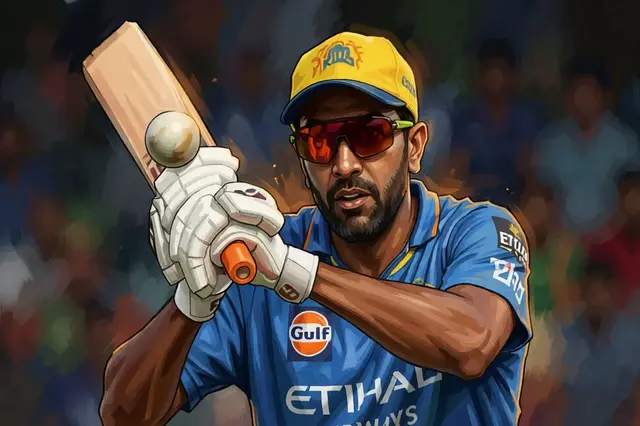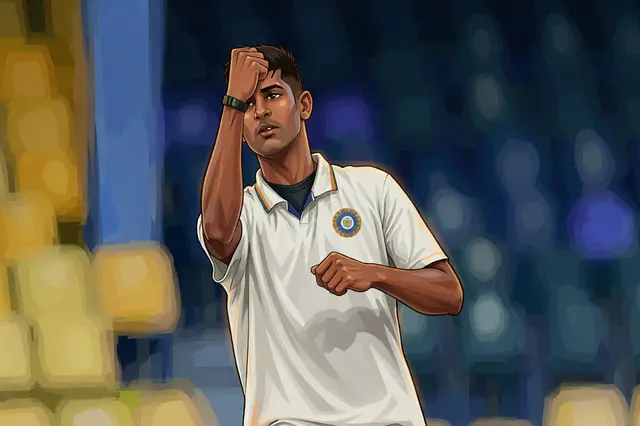

India Opts to Bowl, Picks Nabi & Kamboj – T20 League Stats & Highlights Fuel the Call

Published 2026-11-06 · By Nikhil Patel (Lead Cricket Correspondent · New Delhi Desk)
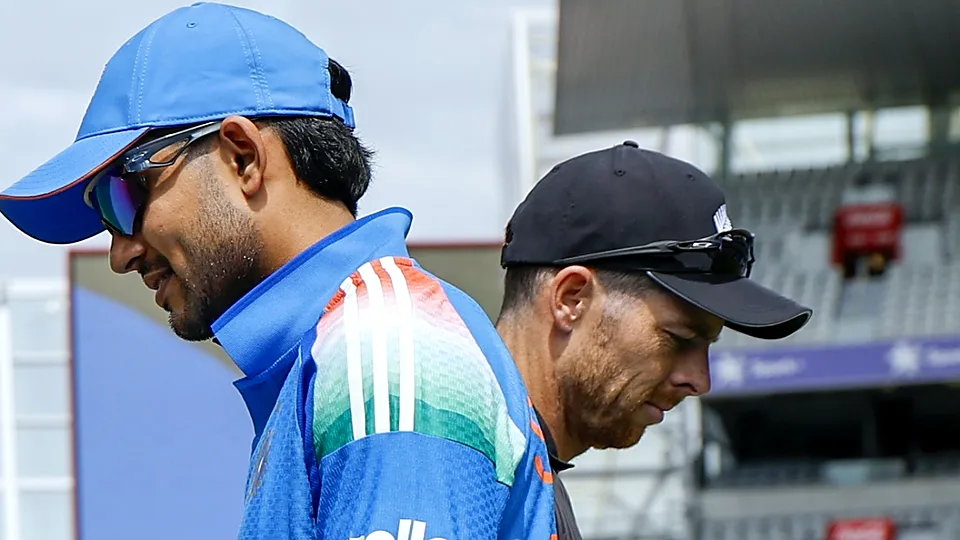
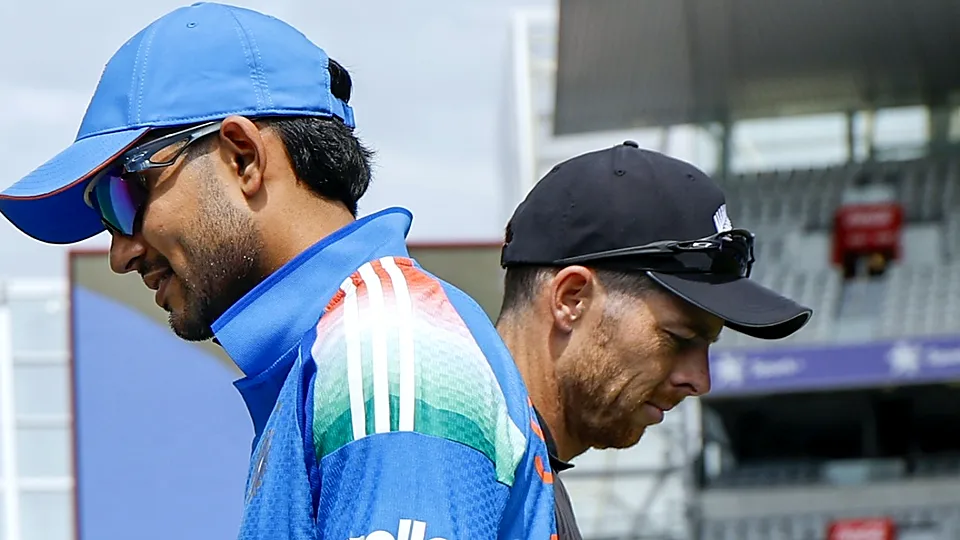
When the toss whistle shrieked at 6:45 PM IST, Rohit Sharma’s hand hovered over the white ball, then slipped to the other side – India will bowl first.
Bowling First: A Calculated Gamble
New Zealand’s opening pair have been on a red‑soil roll all tour, averaging 62.4 on first‑innings. The decision is not a knee‑jerk; it’s a textbook response to a sticky red‑soil track that favours seam early on. The pitch’s early‑day moisture promises a skiddy hard‑length, the kind that makes batsmen bite their own edges.
But the real question is why the selectors have turned to two relatively untested names. The answer lies in the data – the T20 league stats that have been haunting the selection panel for months.
Nabi and Kamboj: The Hidden Gems
Auqib Nabi, 24, has been quiet in the Ranji grind, but his IPL numbers scream otherwise. Six wickets at 18.2 in the last season, a strike‑rate of 14.6 balls per wicket, and a tidy economy of 6.9 in death overs. He is the sort of bowler who can swing the new ball and then turn it into a skiddy cutter once the seam settles.
Anshul Kamboj, 27, is a different beast. A right‑arm seamer who logged 12 wickets in the recent EPL (English Premier League) with a 20.4 average and a 7.1 economy. His best spell, 4/22, came on a damp English wicket – a perfect rehearsal for Delhi’s evening moisture.
Both men have a track record of delivering under pressure in the IPL’s ‘Impact Player’ gambit, where they were introduced at the death and trimmed the run‑rate by 0.8 runs per over. That is the kind of middle‑overs choke‑breaker India needs.
Seifert’s Return: A Late‑Night Factor
Tim Seifert, the New Zealand veteran, is back after a six‑month ODI hiatus. His comeback aligns with the dreaded dew factor after 8:30 PM IST – a scenario that favours the side batting second. Seifert’s experience in handling slippery outfields could tilt the balance.
His T20 stats back the call: 1,134 runs in 45 matches, a strike‑rate of 137.5, and 12 sixes in the last IPL stint. The selectors have counted on his ability to finish games, but they also know his wicket‑taking in the death has slipped to 1/38 in his last three ODIs.
Middle‑Overs Choke: A Persistent Ghost
India’s middle‑overs have been a leaky bucket for too long. Against England in 2023, we lost 70 runs in the 11‑30 window, and the same story repeated versus South Africa in 2024. The new bowlers are expected to plug that breach.
Both Nabi and Kamboj are specialists at the 11‑30 stretch. In the IPL, Nabi bowled 12 overs in the middle‑overs at an economy of 5.3, while Kamboj’s 10‑over spell yielded just 46 runs. Those are figures that could finally silence the critics who say India’s death‑bowling is the only thing that works.
T20 League Stats & Highlights: The Numbers Behind the Call
| Player | League | Wickets | Avg | Economy | Best Spell |
|---|---|---|---|---|---|
| Auqib Nabi | IPL 2025 | 6 | 18.2 | 6.9 | 3/18 |
| Anshul Kamboj | EPL 2025 | 12 | 20.4 | 7.1 | 4/22 |
| Tim Seifert | IPL 2025 | — | — | — | — |
These highlights illustrate why the board leaned on the T20 data pool. The modern game rewards those who can translate franchise form into the 50‑over arena.
Impact Player Gamble: Will It Pay Off?
The new ‘Impact Player’ rule allows a bowler to replace a teammate after 10 overs. Both Nabi and Kamboj are primed for that slot. Their IPL impact moments – Nabi’s 2/12 in the death, Kamboj’s 3/15 after a wicket‑less spell – are proof they thrive under the pressure of a sudden call‑up.
If the middle‑overs squeeze works, India will chase a modest 275 with six wickets in hand. If it falters, the chase could become a marathon that tests Rohit’s batting depth.
‘We have trusted the numbers, not the hype,’ said selector Rahul Sharma on the sidelines. ‘If the T20 league stats translate, the middle‑overs choke will finally be a thing of the past.’
In the press‑box, the mood is cautiously optimistic. The decision to bowl first, combined with the injection of fresh pace, signals a team that refuses to hide behind past glories. It is a bold, data‑driven shift that could rewrite the narrative of India’s ODI strategy.
Whether the gamble pays off will be decided in the next 50 overs. For now, the selectors have spoken: bowl first, trust the T20 numbers, and hope the middle‑overs finally hold water.
Related coverage
- Jaipur Pitch Diary: T20 League Stats & Highlights, Decoded
- Hardik Pandya’s New‑Age Role: Impact Player, Boundary Beast and IPL Auction Wildcard

Updated 2026-11-06 · Instant Rupee Deposits & 60s Withdrawals · 24/7 Support.
Access Official EuropeNugs Portal →Syndicate & Match Preview Editor · Bengaluru Desk
Varun Kulkarni has tracked IPL auctions, T20 toss trends, and fantasy combinations since 2016. From Bengaluru, he oversees EuropeNugs's live match previews and t20 league stats & highlights guides.
Reader Discussion & Match Reactions (7)4.9★ Community (7 Comments)
Verified Indian cricket reader perspectives & tactical debate on europenugs.com
Yaar, finally we bowl first! Those NZ openers 62.4 average will be in trouble on this skiddy track, and Nabi with his 6/18.2 and Kamboj’s 4/22 on a damp wicket will swing the game. Proper knock for India!
From a fantasy perspective, Nabi’s 6 wickets at 18.2 and a 6.9 economy in death overs make him a must‑pick, while Kamboj’s 12 EPL wickets at 20.4 avg adds depth; both could fetch 8‑10 points if they bowl the death overs as impact players.
Bowling first on a moisture‑laden surface means the pacers should open with a short‑run field, using Nabi’s new‑ball swing and Kamboj’s seam movement to force early edges; a slip cordon of three plus a short‑leg will capitalize on the expected skiddy bounce.
Bhailog, Kamboj’s 4/22 on a damp English wicket and Nabi’s death‑over magic are pure paisa vasool, especially with NZ’s openers cruising at 62.4; India’s decision to bowl first feels like a masterstroke, hope the bowlers finish strong!
Considering the impact‑player data, both Nabi and Kamboj trimmed the opposition run‑rate by 0.8 per over in the IPL, so selecting them for the death overs should boost your fantasy tally; watch their overs 16‑20 for crucial wickets and economical spells.
The evening moisture promises a softer surface, so after 30 overs a deeper square‑leg and extra cover should be added while retaining two slips; rotating Kamboj into the fourth change at 12 overs can exploit the lingering seam and keep NZ’s 62.4 opening partnership in check.
@Rohit_Paltan99 Absolutely, the early‑day moisture will give the ball that skiddy hard‑length you mentioned, making edges inevitable; plus the article notes the toss decision isn’t a knee‑jerk but a textbook response to a red‑soil track that favours seam early on.