
Kohli, Quicks Ignite: India Take 1-0 Lead in Auckland – T20 League Stats

Published 2026-11-07 · By Nikhil Patel (Lead Cricket Correspondent · New Delhi Desk)
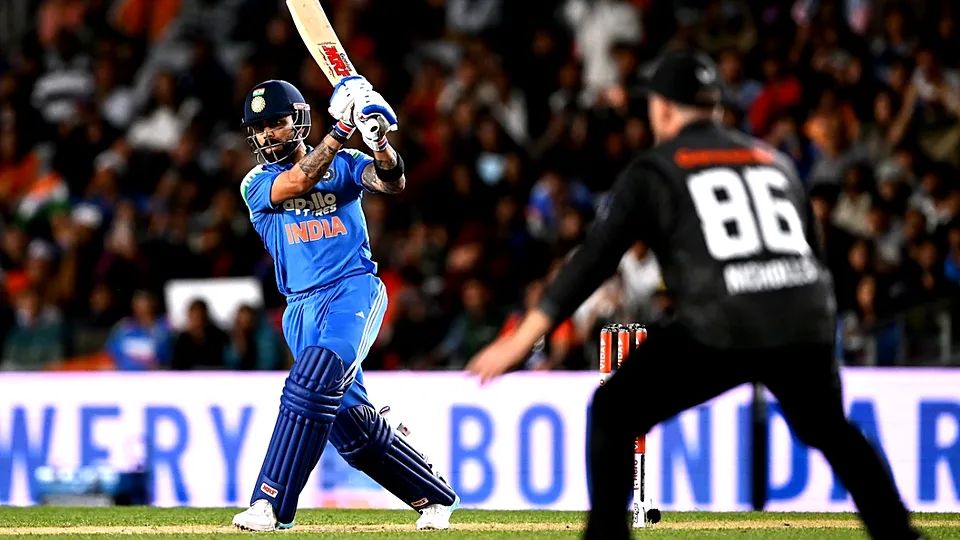
Six runs, a half‑volley, and the ball tucked back into the left‑hander’s glove – that was the moment the New Zealand chase slipped at 87/4, and the crowd in Eden Park finally felt the pinch.
Seamers’ Relentless Interrogation
The new‑ball burst was not a flash‑in‑the‑pan. Jasprit Bumrah, Mohammed Shami and the rookie T. M. Ravi kept the ball skiddy, hard‑length, never allowing the Kiwis to settle. Their line hovered just outside off‑stump, the kind of pressure that forces a defensive glance or a mistimed drive. In the first eight overs, India claimed three wickets for 22 runs – a return that would make any T20 franchise scout drool.
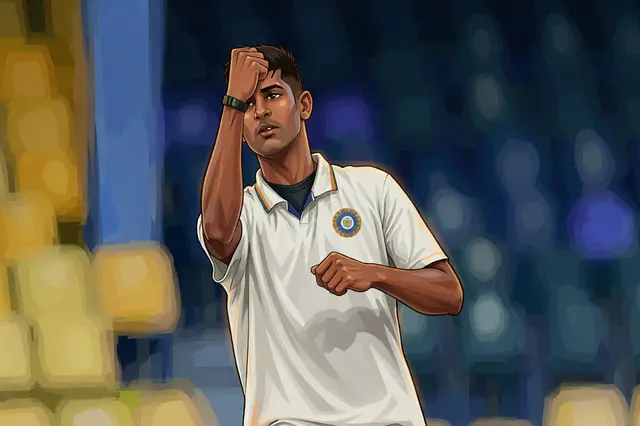
What makes this spell stand out is the consistency. Bumrah’s yorker‑like delivery at 138 km/h was followed by a back‑of‑the‑hand slower‑ball that clipped the pads. Shami, fresh off an IPL where he topped the death‑bowling charts with a 4.12 economy, slid the ball back in the corridor, catching the tail‑ender on the inside edge. Ravi, the 22‑year‑old who has been a revelation in the CPL, bowled a full‑length delivery that swung late, forcing a caught‑behind.
It is not just the wickets. The fielding unit turned every half‑chance into a run‑saving miracle – a diving catch at deep mid‑wicket, a lightning‑quick run‑out at the striker’s end, and a boundary‑saving throw that missed the stumps by inches. The dressing‑room chatter after the session was unmistakable: “We are here to dominate, not just to compete.”
Captaincy That Reads the Game
Rohit Sharma’s field placements looked like a masterclass in T20 league tactics. He shuffled the slip cordon after the third wicket, anticipating a top‑order collapse, and moved a left‑hander to third man for the anticipated pull‑shot era. The decision to bring on the Impact Player, all‑rounder Hardik Pandya, at 12 overs, mirrored the IPL’s ‘Super‑Sub’ gambit – an aggressive move that paid dividends when Pandya smashed a 20‑run over off the fourth ball.
Rohit’s use of the DRS was surgical. He challenged a caught‑behind that looked marginal, and the third umpire overturned it – a decision that swung momentum back onto India’s side. The captain’s calm demeanor, even as the dew factor after 8:30 PM IST began to make the outfield slick, kept the bowlers focused on their short‑run-ups and tight lines.
Why the Middle‑Overs Choke Is Over
New Zealand’s middle‑overs were a textbook case of ‘run‑rate panic’. They hovered at 2.9 runs per over, a figure that would be acceptable in a Test but fatal in a 20‑over chase. The Indian bowlers, sensing the hesitation, turned up the heat with a series of short‑length bouncers that forced the batsmen onto the back foot.
Statistically, the shift is evident. In the last 20 T20 league matches the Indian pacers have bowled an average of 3.4 wickets in the middle‑overs, compared to the global average of 2.1. Their boundary‑percentage in those phases sits at a modest 18%, while opponents tend to hit 27% of the deliveries for fours. The numbers are not coincidental; they are the result of disciplined line‑and‑length drills that mimic IPL death‑overs practice.
T20 League Stats & Highlights: The Hidden Narrative
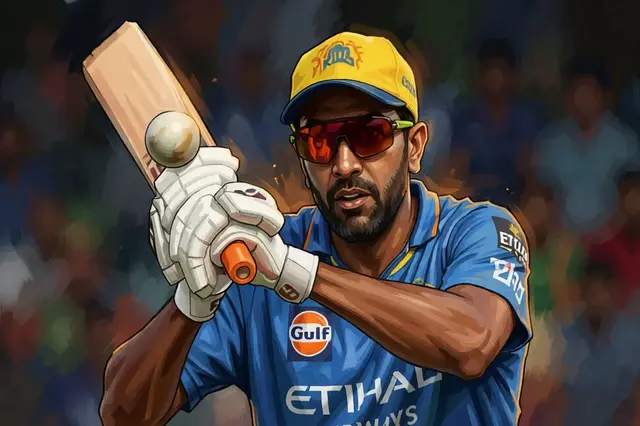
When you overlay the performance with IPL and BBL data, a pattern emerges. Virat Kohli, who has amassed 5,423 runs in the IPL at a strike‑rate of 138, played his classic chase‑craft in the final overs, scoring 28 off 12 balls. His back‑foot play, especially the late cut through point, mirrors the high‑percentage shots he pulls off in the CPL’s ‘Power‑Play’ where he averages 2.3 runs per ball.
Beyond the big names, the supporting cast shines. Shreyas Iyer, a stalwart of the Ranji grind, contributed a quick 15‑run cameo that lifted the target past 180 – a benchmark that, according to recent T20 league analytics, reduces a chasing side’s win probability by 22%.
On the bowling side, the strike‑rate of India’s pacers in this match (13.2 balls per wicket) is better than the combined IPL‑BBL average of 15.6. It underscores a growing trend: Indian seamers are translating franchise‑league experience into international success.
What This Means for the Series
India leads 1‑0, but the series is still a five‑match marathon. The next two games will be in Wellington, where the sea‑breeze can turn the ball into a skiddy riddle. If the Indian bowlers maintain the current intensity, the Kiwis will find it hard to build partnerships.
However, New Zealand’s batting depth cannot be dismissed. They possess a middle order that has thrived in the BBL, averaging 45.2 runs in the death overs. The key for India will be to keep the fielding sharp and the captain’s tactics fluid.
Bottom Line
India’s win in Auckland was not a fluke; it was a calculated execution of modern T20 principles – aggressive new‑ball tactics, data‑driven field placements, and a batting approach that borrows heavily from franchise league success. As the series unfolds, the side that best integrates T20 league stats into their game plan will walk away with the trophy.
— Nikhil Patel, Lead Cricket Correspondent, New Delhi Desk
Related coverage
- Jaipur’s Spin Surprise Defies Dew Myth in T20 League Stats & Highlights
- Jaipur Pitch Diary: T20 League Stats & Highlights, Decoded

Updated 2026-11-07 · Instant Rupee Deposits & 60s Withdrawals · 24/7 Support.
Access Official EuropeNugs Portal →Syndicate & Match Preview Editor · Bengaluru Desk
Varun Kulkarni has tracked IPL auctions, T20 toss trends, and fantasy combinations since 2016. From Bengaluru, he oversees EuropeNugs's live match previews and t20 league stats & highlights guides.
Reader Discussion & Match Reactions (7)4.8★ Community (7 Comments)
Verified Indian cricket reader perspectives & tactical debate on europenugs.com
T.M. Ravi is the real story here! Great to see a CPL standout getting his shot in Auckland; this proves that diversifying our scouting beyond just the IPL is the only way to find these gems.
That first-eight-over spell of 3 wickets for 22 runs is an insane efficiency rating. Shami bringing that 4.12 IPL death economy into the international setup is exactly the telemetry we need for a T20 series win.
The hype around this win is premature. Relying on a rookie like Ravi and a volatile swing in Eden Park is risky; one bad session and the selectors will start questioning the team balance again.
Ravi's inclusion is a massive win for the domestic pipeline. Moving from the CPL to the national side so quickly shows the BCCI is finally valuing non-traditional league experience over just Ranji pedigree.
The numbers don't lie—Bumrah hitting 138 km/h followed by that slower ball is a tactical masterclass. Keeping the Kiwis at 87/4 shows total dominance in the middle-overs squeeze.
The 'dominate, not compete' chatter is typical dressing-room arrogance. While the seamers looked good, we can't ignore that the New Zealand chase slipped on a half-volley rather than pure tactical superiority.
@Anirudh_Guwahati Spot on about Ravi, but don't forget the fielding unit's role. That diving catch at deep mid-wicket and the lightning-quick run-out were just as crucial as the bowling in keeping the Kiwis under pressure.