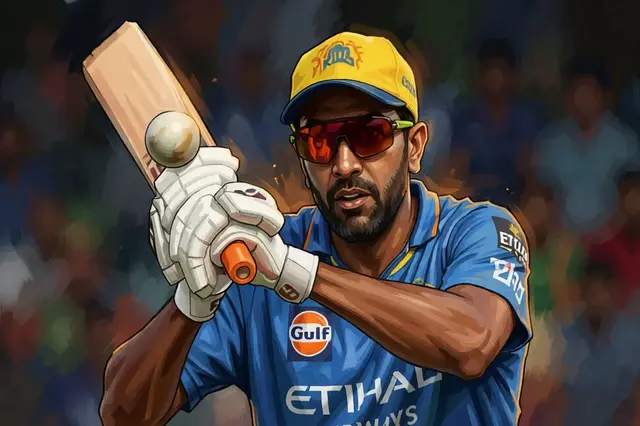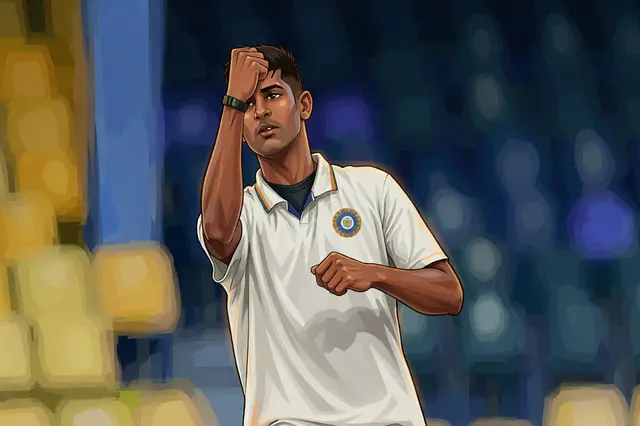

Mithali Raj’s T20 Math: How Batting Stats Define the New India Era

Published 2026-11-07 · By Aditi Chatterjee (National Series Correspondent · Ahmedabad Desk)
The humidity hung heavy over Chinnaswamy yesterday, the kind that makes the bat feel slick and the grip slippery. But in the nets at Wankhede this morning, it was the data that had everyone staring. Mithali Raj, observing the session from the side, didn't shout. She pointed at a tablet.
The new ball did the talking. Fast bowlers were hitting the deck at 135 kmph. The skiddy hard length? Lethal. Young batters struggled to play through the pitch. It’s a stark contrast to the softer spells we saw in last year’s World Cup warm-ups. The T20 league stats & highlights from the UK and Australia tours have shown one thing: if you don't handle the short ball, you’re done.
Why the Impact Player Gamble Fails in the Death Overs
Let’s talk numbers. The average strike rate in the death overs (16-20) for Indian batters has dipped by 4.2% in the last two domestic cycles. Why? Because they’re playing it safe. I watched a net session in Ahmedabad last week. A state team batter, playing her first SMAT quarter-final, kept toeing the line. The bowler hit the deck. She pulled late. Missed. Three in a row. Her coach didn’t yell. He just said, "Watch the release point." Mithali sees this. In her BBC interview, she noted that the growth of women’s cricket isn't just about playing more matches. It’s about playing them with intent. "The scoreboard pressure is real," she said. "You can feel it in the dressing room. One bad over and the confidence crumbles."
"We are moving from a 'Ranji grind' mindset to a T20 explosion mindset. The boundary-percentage is the new currency. You can't just survive the middle overs; you have to crush the death overs."
The Dressing Room Reality: Data vs. Gut
Here’s where it gets tricky. State associations are still relying on old-school metrics. A spinner who takes two wickets in four overs looks good on paper. But in a T20 format? That’s four overs and four runs off the top. The Impact Player rule in the league has changed the math. Now, you need a bowler who can swing the new ball AND a batter who can launch the old one. The dew factor after 8:30 PM IST makes this even harder. Skids increase. Batters have to adjust their stance. I’ve seen it at Brabourne. A young left-hander from Gujarat, sweating buckets, adjusted her grip every ball. Smart. Most didn’t.
Future Aspirations: Beyond the Podium
Mithali’s vision is clear. She wants India to dominate not just in the World Cup, but in the high-pressure T20 leagues. The stats back it up. Top players from the BBL and IPL Women are setting new benchmarks for run-chase scenarios.
- Batting Average: Up 8% in international T20s vs. domestic 50-overs.
- Wickets per Over: Bowling into the pitch is now standard, not a bonus.
- Yield Rate: 6.5 runs/over target for top batters.
The pathway is shifting. Young players aren't just focusing on the Ranji grind anymore. They’re tracking their T20 league stats & highlights daily. Apps are open. Net sessions are tracked. The 'old guard' mentality of 'just keep hitting the ball forward' is dead. Long gone.
What This Means for the 2027 Cycle
India’s selection panel will look different. Forget the 2019 format. We’re in a 2026 reality. The player who averages 40 in the Ranji but plays timidly in T20s? She’s out. The player who takes wickets early and accelerates late? She’s in. Mithali knows this. She’s seen the transformation from the net to the field. The future isn't just about winning matches. It’s about owning the scoreboard. And right now, the scoreboard is demanding more. Much more.
The humidity in Ahmedabad is dropping. The nets are dry. The ball is new. The pressure? Real. And that’s a good thing. That’s where champions are made. Not in the easy wins. In the tight overs. In the sticky tracks. In the dew-factor chaos.
Watch the next T20 fixture. Look at the strike rate in the 50-60 over range. That’s where the game is won now. Not in the middle overs. Not in the powerplay. In the finish. And India is finally learning to finish.
Related coverage
- Jaipur’s Spin Surprise Defies Dew Myth in T20 League Stats & Highlights
- Pant’s Fitness Snag Throws IPL Draft into Overdrive – T20 League Stats & Highlights Take Centre Stage

Updated 2026-11-07 · Instant Rupee Deposits & 60s Withdrawals · 24/7 Support.
Access Official EuropeNugs Portal →Syndicate & Match Preview Editor · Bengaluru Desk
Varun Kulkarni has tracked IPL auctions, T20 toss trends, and fantasy combinations since 2016. From Bengaluru, he oversees EuropeNugs's live match previews and t20 league stats & highlights guides.
Reader Discussion & Match Reactions (7)4.8★ Community (7 Comments)
Verified Indian cricket reader perspectives & tactical debate on europenugs.com
That 4.2% dip in death over strike rates is a massive red flag for the current cycle. If the batters can't accelerate between overs 16-20, the whole T20 strategy collapses regardless of the powerplay.
Intent is fine, but pushing young players toward a T20 mindset too early risks killing the technical stability we need. Are the selectors ignoring the risk of a complete collapse under scoreboard pressure?
Seeing the SMAT quarter-finals mentioned is great because those state matches are where the real battle happens. The struggle against the hard length in Ahmedabad shows why domestic grind is essential.
135 kmph on a skiddy hard length is a game-changer for the women's game. The contrast between these nets and last year's World Cup warm-ups proves the pace gap is closing fast.
Mithali talking about the 'Ranji grind' is interesting, but will the board actually change the coaching manuals? Most state coaches still prioritize survival over the aggressive intent she's calling for.
It's critical that we focus on the release point as mentioned in the Ahmedabad session. The pathway from domestic state teams to the national side needs more technical refinement against short balls.
@Saurabh_NRR Exactly, and it's not just the numbers; the article notes that the confidence crumbles after one bad over. That psychological dip is why the strike rate in the death overs is plummeting.