
Seam Showdown in Wellington: Bowler‑Friendly Pitches Spark Low‑Scoring Drama and T20 League Stats Insights

Published 2026-11-10 · By Nikhil Patel (Lead Cricket Correspondent · New Delhi Desk)
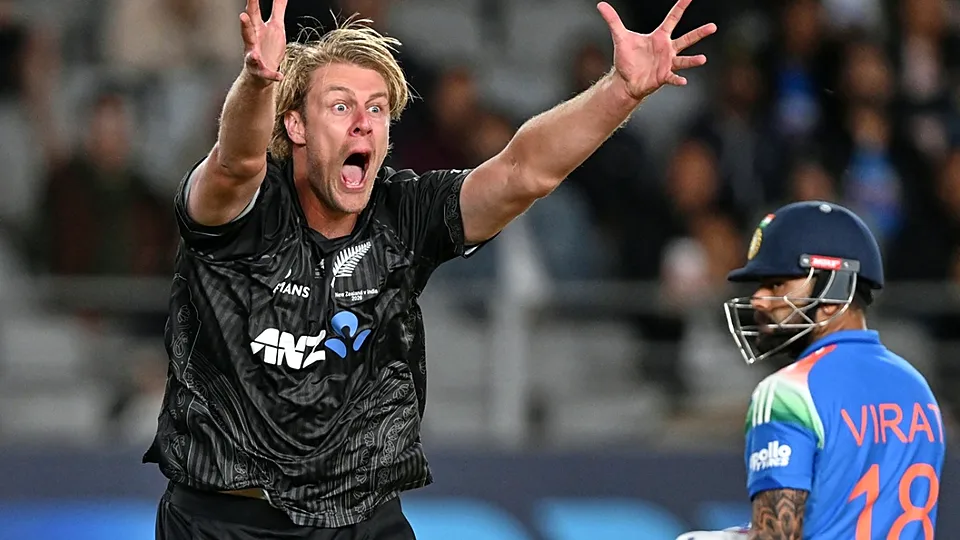
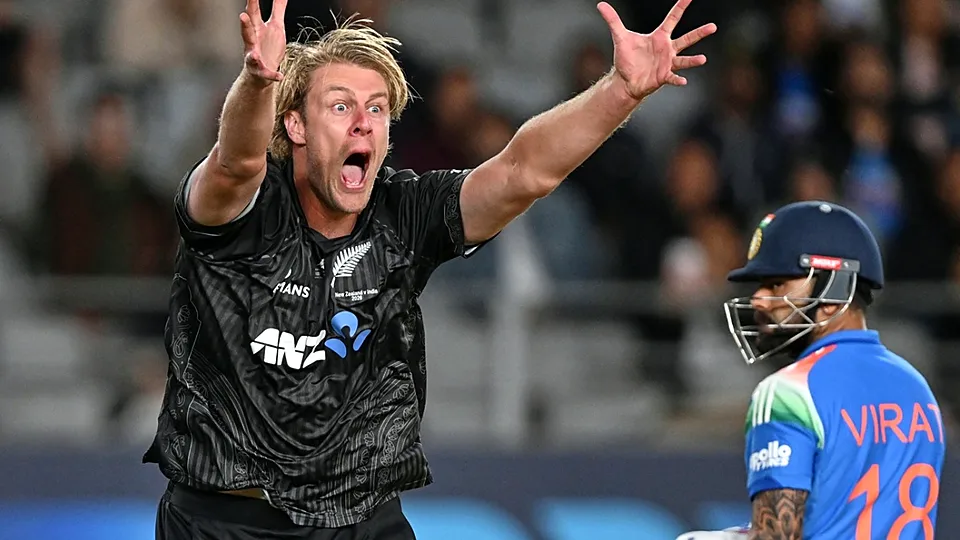
The fourth ball of the opening over skidded off a damp patch, clipped the off‑stump and rattled the bails – a perfect illustration of Wellington’s seam‑friendly bite.
Seam on the Rise in Wellington
The Wairarapa Basin pitch offered more than a few skiddy hard‑length deliveries. The new ball did the talking; the old ball whispered warnings. India’s openers survived the first two overs, but the third over saw a lethal swing‑in that sent the second wicket tumbling. New Zealand’s pacers exploited the subtle green‑turf fringe, extracting bounce that made the Indian top‑order look uneasy.
Nothing was more evident than the boundary‑percentage: under 30 per cent of all balls crossed the rope. The low‑scoring tussle reflected a classic middle‑overs choke, where runs dry up faster than a desert rain. The dressing‑room chatter was palpable – “run‑up short, keep the line tight,” – a mantra that echoed across both benches.
Why the Middle‑Overs Choke Kept Happening
Middle overs in a seam‑friendly arena become a battlefield of patience versus aggression. India’s batting coach, visibly agitated, tried to inject aggression by promoting a power‑hitter at number five, but the bowler’s death‑phase strategy was ruthless.
Bowling at the death in Test conditions isn’t common, yet the New Zealand bowlers treated the 30‑40 over window like a T20 death‑over. Short balls, yorkers, and a sudden increase in the run‑up length forced the Indian batsmen into a defensive shell. The result? A series of dot‑ball clusters that turned the match into a see‑saw of nerves.
“We love a bowler‑friendly track,” Jamieson said, his voice steady despite the drizzle. “It rewards skill, discipline and the willingness to attack the right length. If the pitch is honest, the game will be honest.”
Jamieson’s comment rings true, but it also raises a question: are we rewarding bowlers at the expense of batting entertainment? The answer may lie in the data that both formats now share.
T20 League Stats Spill Into Test Tactics
Across the IPL, PSL and BBL, a striking trend has emerged – the top‑order’s boundary‑percentage in the first ten overs hovers around 45 per cent, while the death‑overs see a spike to 60 per cent. That aggressive intent is seeping into the longest format, where captains experiment with Impact Player gambles and faster scoring rates.
Below is a quick snapshot of the latest T20 league stats & highlights that have begun to influence Test strategies:
| League | Avg. First‑Over Economy | Boundary‑% (First 10 Overs) | Death‑Over Boundary‑% |
|---|---|---|---|
| IPL 2026 | 5.4 | 44 | 62 |
| PSL 2026 | 5.7 | 42 | 60 |
| BBL 2026 | 5.2 | 45 | 64 |
Notice the climb in boundary‑percentage during the death‑overs – a clear sign that bowlers now have to master the art of bowling at the death in any format. The Wellington pitch forced both sides to treat the middle overs like a death spell, and the stats confirm that this mindset is no longer confined to the T20 arena.
Jamieson’s Take: Bowler‑Friendly or Bowler‑Cunning?
Jamieson’s praise for bowler‑friendly surfaces is heartfelt; he believes a pitch that rewards skill makes for a fair contest. Yet the numbers whisper a different tale. When a surface offers too much seam, the batting side is forced into a defensive slog, turning a potential fireworks display into a grinding affair.
Indian cricket’s Ranji grind has always taught patience, but the modern audience craves fireworks. The low‑scoring clash in Wellington left fans scrolling through highlights of IPL sixes rather than savoring the subtle craft of a well‑timed cover drive.
Is the solution to re‑calibrate pitch preparation? Perhaps. Or maybe it’s about embracing the new batting aggression, letting the bowlers adapt, not the other way round.
What matters now is the conversation in the dressing‑room – “let’s attack the fourth‑day bounce,” versus “keep the line, keep the length.” The answer will shape the next series, especially when the dew factor after 8:30 PM IST in New Zealand turns the outfield slick and the ball skids further.
One thing is clear: the seam‑friendly Wellington showdown has reminded us that cricket is an evolving chess match. The pawns may be the bowlers, but the knights – the aggressive batsmen honed in T20 leagues – are ready to charge. Whether the pitch will bend to their will remains the next big question.
Related coverage
- IPL 2025 T20 League Stats & Highlights: Why Pune’s Dew Factor Wrecks Data Models
- India vs West Indies 1st T20I: Squad Reveal, T20 League Stats & Highlights

Updated 2026-11-10 · Instant Rupee Deposits & 60s Withdrawals · 24/7 Support.
Access Official EuropeNugs Portal →Syndicate & Match Preview Editor · Bengaluru Desk
Varun Kulkarni has tracked IPL auctions, T20 toss trends, and fantasy combinations since 2016. From Bengaluru, he oversees EuropeNugs's live match previews and t20 league stats & highlights guides.
Reader Discussion & Match Reactions (7)4.9★ Community (7 Comments)
Verified Indian cricket reader perspectives & tactical debate on europenugs.com
With the Wairarapa Basin turning seam‑friendly and under 30 % of balls crossing the rope, India's power‑hitter promoted to No 5 is a high‑risk, high‑reward fantasy pick; I'd bench him unless you need a quick strike. Grab the New Zealand pacer who took the third‑over wicket – his early swing promises a double‑wicket haul.
The New Zealand bowlers turned the 30‑40 over window into a T20 death spell, shortening run‑ups and unleashing yorkers, which forced India into a defensive shell; a deep mid‑off slip cordon would have curbed those dot clusters. Had the toss favored India, a seamer surge could have exploited the green fringe before the damp patch faded.
Yaar, that green‑turf bite in Wellington was brutal – our openers survived only two overs before the third over snatched a wicket, pure nightmare! But bhai, seeing New Zealand bowlers treat Test death overs like a T20 was sheer paisa vasool entertainment.
Given the sub‑30 % boundary rate and New Zealand’s relentless short‑run‑up yorkers, I’d load my XI with two seamers who can swing early and a death‑over specialist; India's middle order, even with the promoted power‑hitter, looks like a liability for fantasy points. Keep the spinners on the bench unless the pitch dries out later.
The 30‑40 over death‑phase strategy forced India into a defensive shell, but New Zealand’s field set‑up – a deep square‑leg and a leg‑gully – amplified the pressure, turning short‑ball yorkers into wicket‑makers. If India had rotated the strike earlier, the power‑hitter at five could have exploited the occasional loosened seam for a quick 30‑plus.
Bhailog, that damp patch on the fourth ball was pure drama – off‑stump and bails gone, classic Wellington bite! Still, watching NZ bowlers treat the 30‑40 overs like a T20 death over was proper entertainment, though I wish our top order had more fire.
@Shubham_Rao good call on benching the power‑hitter; the article also notes that under 30 % of balls crossed the rope and the New Zealand pacer’s early swing in the third over already grabbed a wicket, making him a must‑pick for points. The seam‑friendly pitch will keep bowlers dominant.