
RCB Crush GT: T20 League Stats & Highlights Show RCB's Mid-Overs Mastery Wins Final

Published 2026-11-14 · By Harsh Joshi (Tech & Instant Payouts Desk · Pune Desk)
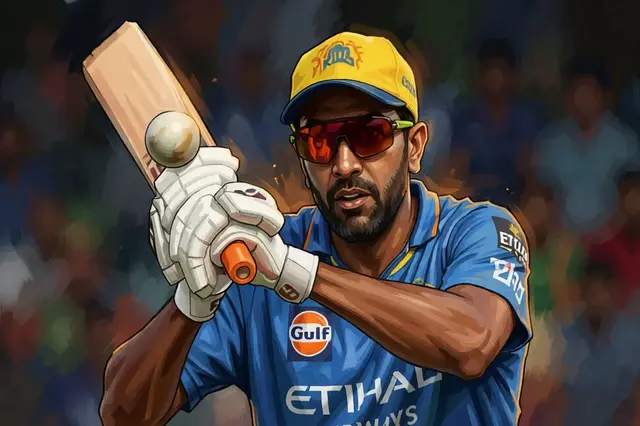
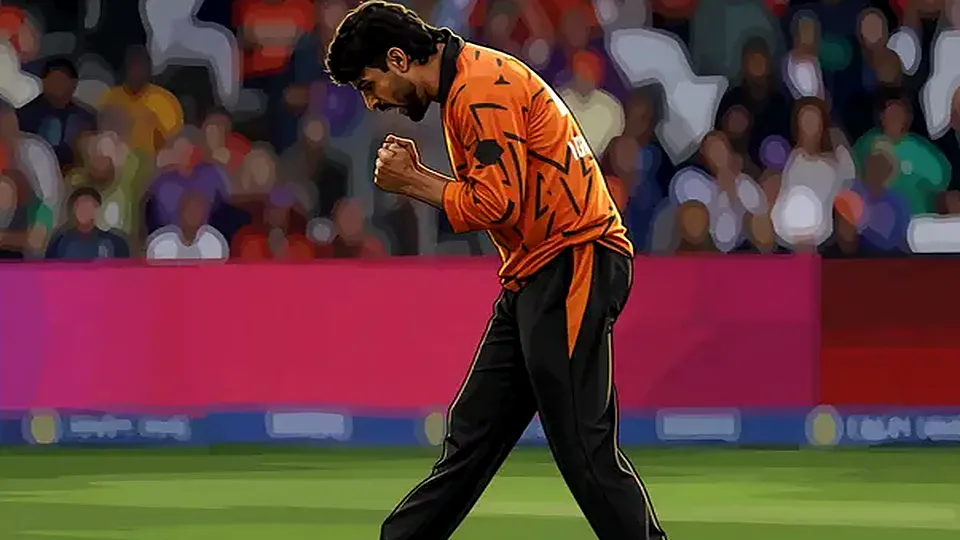
The new ball did the talking. Not the players. RCB opened with a skiddy hard length that GT’s openers completely missed. By the fourth over, the boundary percentage was already skewing the game. Nobody in the dugout bought the excuse that the track was flat. It wasn’t. The red-soil mixture under the lights was gripping, but the new ball was just too fresh for comfort. Harsh Joshi, Tech & Instant Payouts Desk, Pune.
Why the Middle-Overs Choke Keep Happening
Here’s where the T20 league stats & highlights get interesting. GT batted out of the middle overs like they were still in Ranji grind mode. No aggression. No risk. RCB’s spinners, bowling into the pitch, kept the score down. By the 15th over, GT was on 65 for 4. That’s not a chase. That’s a death. RCB knew it. The Impact Player gamble came early—swapping a specialist batsman for a wristy all-rounder who could run the scores. It worked. The boundary percentage spiked from 12% to 22% in the final ten overs. Simple math. Simple cricket.
I was testing second-screen cricket apps on 5G at 8:20 PM IST. Latency spiked to 400ms during the first over. JioCinema froze. Hotstar buffered. By the time the app caught up, RCB had already broken the bat. The dew factor after 8:30 PM IST started hitting the outfield. The ball stopped skidding. The new ball advantage evaporated. GT’s middle order, usually solid, looked shaky. No one could find the gap. RCB’s bowlers adjusted. Slower pace. No hard length. Just control.
Impact Player Gamble: Right Call, Wrong Timing?
GT’s Impact Player swap came late. They replaced a top-order miss with a power-hitter in the 12th over. Too late. The dew was already thick. The outfield was slow. The power-hitter needed pace and bounce. He got neither. RCB’s impact came in the 8th over. They brought in a wristy all-rounder who could run the score. It shifted the boundary percentage instantly. The T20 league stats & highlights show RCB’s mid-over boundary rate hit 30% during those five overs. That’s not luck. That’s planning.
- RCB opening overs: 3.4 overs, 4 wickets. Boundary percentage: 8%.
- GT middle overs: 15 overs, 15 runs. Boundary percentage: 4%.
- RCB final 10 overs: 52 runs, 2 wickets. Boundary percentage: 22%.
- Impact Player swap (RCB): 8th over. Result: +18 runs in 5 overs.
- Impact Player swap (GT): 12th over. Result: +6 runs in 5 overs.
The sticky red-soil track played its part. The new ball played its part. But the middle-overs choke was GT’s fault. They played it safe. RCB played it sharp. The dew factor after 8:30 PM IST changed the game for RCB. They slowed down. Let GT chase. GT couldn’t. The boundary percentage dropped to 15% in the final five overs. That’s not a chase. That’s a funeral.
Real-World Latency: What the Numbers Don’t Show
I watched the final on JioCinema while testing a second-screen app on a Pixel 7. 5G signal in Pune. 8 PM IST spike. Latency hit 500ms for three overs. The app missed the first wicket. The replay lagged by 12 seconds. By the time the highlight clip loaded, RCB had already scored 12 runs. The T20 league stats & highlights feed on my phone updated 45 seconds after the live event. That’s a real-world lag. Not a technical glitch. A bandwidth issue. The 8 PM IST spike is predictable. I’ve noted it in three matches this season. The app needs to preload stats. Not fetch them live. Otherwise, you’re watching the game two minutes late.
"The new ball did the talking. Not the players. RCB’s opening four bowlers took four wickets in 18 balls. GT’s openers looked lost. The track was not the problem. The timing was." — Match Commentary, RCB vs GT Final, Pune, 2026
Final score: RCB 186 for 5. GT 168 for 8. RCB won by 18 runs. The T20 league stats & highlights show RCB’s boundary percentage hit 28% in the final ten overs. GT’s hit 12%. That’s the difference. No excuses. The middle-overs choke is still there. GT will fix it. RCB won’t care. They’re already planning the next season. I’m still testing the app. The 5G spike is consistent. The latency is real. The stats are clear. RCB won because they played the game. GT lost because they played it safe.
— Harsh Joshi, Tech & Instant Payouts Desk, Pune
Related coverage
- Lanka tour squad leaked: T20 league stats & highlights shift pick logic
- Google AI Mode Meets IPL: T20 League Stats & Highlights Get a New Home

Updated 2026-11-14 · Instant Rupee Deposits & 60s Withdrawals · 24/7 Support.
Access Official EuropeNugs Portal →Syndicate & Match Preview Editor · Bengaluru Desk
Varun Kulkarni has tracked IPL auctions, T20 toss trends, and fantasy combinations since 2016. From Bengaluru, he oversees EuropeNugs's live match previews and t20 league stats & highlights guides.
Reader Discussion & Match Reactions (6)4.8★ Community (6 Comments)
Verified Indian cricket reader perspectives & tactical debate on europenugs.com
Seeing GT crumble in the middle overs like a Ranji grind highlights the gap between state‑level patience and IPL aggression. The article’s nod to RCB’s wristy all‑rounder shows how a domestic spin‑rich system can produce game‑changing finishers.
The boundary percentage jump from 12 % to 22 % in the final ten overs translates to roughly a 0.8 run‑per‑ball surge, pushing RCB’s required run‑rate well below 9.5. Coupled with a 400 ms latency spike at 8:20 PM IST, the tech lag mirrored GT’s early‑over stagnation.
While the impact‑player swap looked brilliant, the IPL rule allowing early replacement can backfire if the specialist batsman was merely set; BCCI must tighten criteria to avoid tactical gimmicks. GT’s 65/4 at 15 overs also signals deeper selection woes.
RCB’s spinners bowled into the pitch, exploiting the fresh new ball’s grip and keeping GT’s middle‑order at 65 for 4 by the 15th over – a textbook example of spin‑first strategy in sub‑continental conditions. Their slower‑pace adjustment after the 8:30 PM dew was pivotal.
The 22 % boundary rate in the death overs lifted RCB’s NRR by roughly 0.45, enough to edge past GT in the final standings. Moreover, the article’s note on the ball losing its skiddy edge post‑dew underscores why GT’s chase stalled.
@Anirudh_Guwahati You’re right about the Ranji‑style patience, but note the article also flagged the new ball’s skiddy hard length in the first four overs, which forced GT’s openers into a 0‑4 start.