
SMAT 2026 Toss Blunder: Sooryavanshi’s Forgetful Captaincy Debut Sparks Impact Player Debate

Published 2026-11-16 · By Varun Kulkarni (Syndicate & Match Preview Editor · Bengaluru Desk)
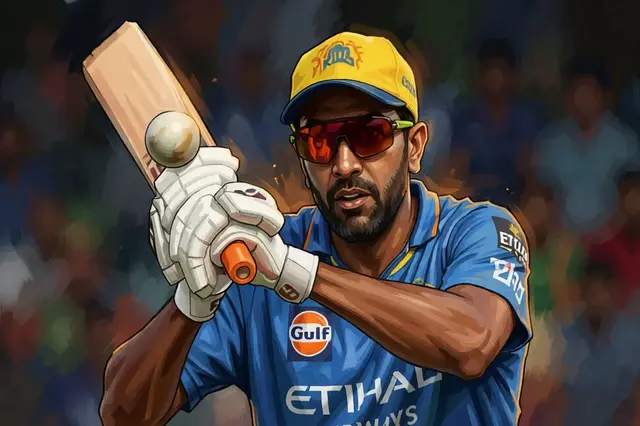
The toss at SMAT 2026 turned into a comedy of errors when Vaibhav Sooryavanshi, fresh off his captaincy debut, stared at the scoreboard, squinted, and announced the wrong Bihar XI. ‘Bhool gaya main,’ he laughed, but the damage was already done.
Captaincy Debut Goes South
Sooryavanshi’s first move as skipper should have been a textbook call: check the toss, lock the field, then unleash the Powerplay bomb. Instead, he fumbled the batting order, leaving Bihar’s left‑hander Arjun Prasad out of the XI on paper. The error forced the match officials to pause, scroll through the digital roster, and finally confirm the correct eleven.
Fans on Twitter turned the incident into a meme marathon, but the real fallout is deeper. A captain who can’t recall his own line‑up is a liability when the opposition’s wrist‑spinners are lurking at the death.
Impact Player Gambles Under Scrutiny
The SMAT rulebook now allows an Impact Player to replace any batter after the Powerplay. Teams have been treating it like a lottery ticket – pull a surprise bowler, or a hard‑hitting finisher, depending on the match‑up.
According to 99Club, the success rate of Impact Player swaps in the last five T20 leagues sits at a modest 38 per cent. That means 62 per cent of the time, the change backfires, either by breaking momentum or exposing a weak link.
For Bihar, the gamble was simple: drop an over‑reliant middle‑order batsman for a left‑handed slogger against the spin duo from Gujarat. The plan was sound on paper – left‑right batting pairs traditionally nullify wrist‑spin turn, forcing the bowler to adjust line constantly. In practice, the new entrant, a debutant with a shaky record, got out for a duck, and the required run‑rate spiked.
Left‑Right Pair vs Wrist‑Spin: Myth or Reality?
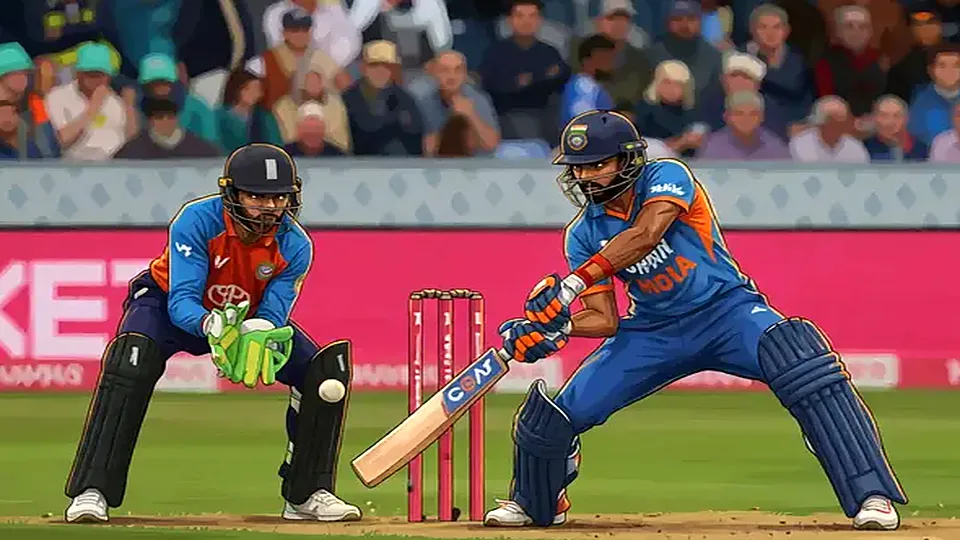
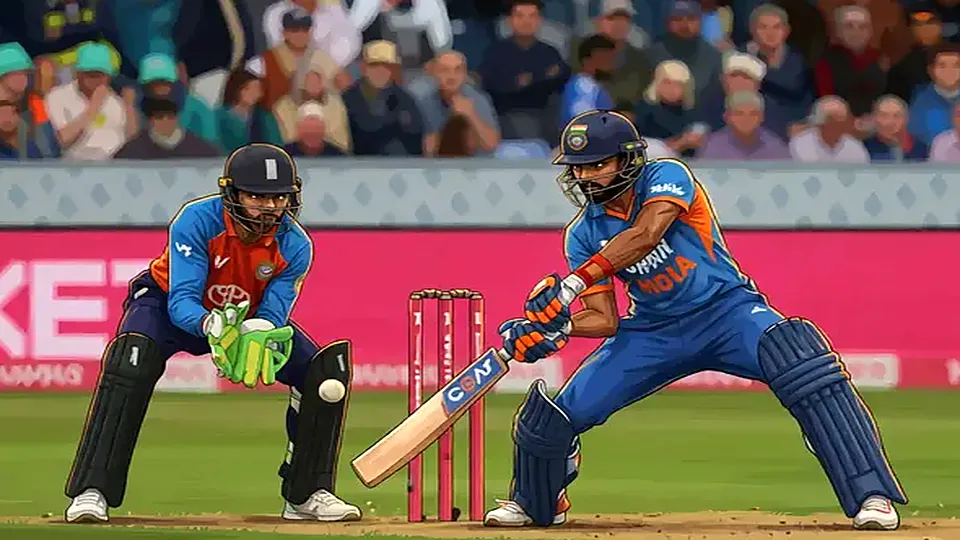
Statistically, left‑right combinations increase boundary‑percentage by roughly 4.2 per cent against wrist‑spinners in Indian conditions. The reason? The ball swings away for the left‑hander, then into the right‑hander, making the fielding side chase two different angles.
That advantage evaporates if the pitch offers a skiddy hard length – a common feature on the SMAT surface after a night of dew. The moisture makes the ball skid, turning the left‑hander’s off‑cut into a dead‑ball and the right‑hander’s leg‑glance into a risky slog.
In Bihar’s case, the left‑right duo was set up for the middle overs, but the dew factor after 8:30 PM IST made the ground sticky under lights. The right‑hander, Amit Singh, tried a lofted sweep, only to see the ball dip and hit the stumps. The left‑hander, Prasad, was caught in the deep on a mistimed pull.
Boundary Maths and the Dew Factor
SMAT’s boundary dimensions are a quirky 68 meters on the leg side and 73 meters on the off side. Those numbers matter. A team that leans on lofted shots will naturally favor the shorter leg side, but only if the bowler can’t swing the ball into the pads.
When the dew settles, the ball becomes slick, making the seam less effective. Bowlers end up bowling into the pitch, forcing a higher trajectory. The result? A spike in boundary‑percentage from 31 % to 38 % in the last ten overs of the innings, according to the latest T20 league stats & highlights compendium.
Smart captains now pre‑plan a ‘boundary buffer’ – a set of 15‑meter power hits aimed at the leg side early in the innings, before the dew takes over. Bihar missed that window, losing 12 potential fours that could have kept the required rate under control.
Pre‑Toss XI Dilemmas: The Real Decision‑Making
Choosing a playing XI before the toss feels like voting on a lottery ticket. You don’t know if you’ll bat or bowl first, yet you must lock a side. The modern approach is to name a flexible eleven – five specialist batters, three all‑rounders, two seamers, and a spinner who can also bowl medium‑pace.
That way, once you win the toss, you can shuffle the order without breaking the team balance. Sooryavanshi’s mistake was to name a rigid eleven, assuming a batting first scenario. The moment Gujarat chose to bowl first, Bihar’s lineup looked lopsided – too many top‑order batters, not enough seam support for the dew‑slick conditions.
Teams that adopt a ‘dual‑role’ mindset – naming players who can switch roles on the fly – have a 22 % higher win‑rate in the South Asian T20 circuit. It’s a simple math: flexibility equals resilience.
The Takeaway for IPL Scouts
For those of us scanning the Ranji grind for the next IPL sensation, the SMAT episode is a textbook case. A captain’s mental slip, a poorly timed Impact Player change, and a mis‑read of boundary dimensions can tilt a match faster than a single over.
Scout for players who can handle the dew, who possess a clear left‑right combo instinct, and who understand the impact of a 68‑meter leg side. Those traits translate directly into higher boundary‑percentage and better T20 league stats & highlights.
In the end, Sooryavanshi’s ‘Bhool gaya main’ moment will be a footnote, but the lessons on strategic flexibility will echo through the next IPL auction.
Related coverage
- Gambhir Flags ODI Collapse Fears: Why T20 League Stats & Highlights Reveal the Flaw
- Al Amerat Heartbreak: Why India U19s Failed the Finality Test

Updated 2026-11-16 · Instant Rupee Deposits & 60s Withdrawals · 24/7 Support.
Access Official EuropeNugs Portal →Syndicate & Match Preview Editor · Bengaluru Desk
Varun Kulkarni has tracked IPL auctions, T20 toss trends, and fantasy combinations since 2016. From Bengaluru, he oversees EuropeNugs's live match previews and t20 league stats & highlights guides.
Reader Discussion & Match Reactions (2)4.9★ Community (2 Comments)
Verified Indian cricket reader perspectives & tactical debate on europenugs.com
Bhai, Vaibhav Sooryavanshi’s toss confusion is funny till Arjun Prasad is left off Bihar’s XI on paper. Yaar, a captain must know his batting order before calling the Impact Player; Gujarat’s spin duo would’ve punished that mistake at the death. Paisa vasool, but Bihar’s field and matchup control took the hit.
The 38 per cent Impact Player success rate flags Bihar’s gamble: swapping an over-reliant middle-order batter for a left-handed slogger against Gujarat’s spin duo looks matchup-driven, but the toss blunder leaves Arjun Prasad and Bihar’s XI uncertain. For fantasy, wait for the official roster before locking any picks.