
England ODI Squad: T20 League Stats & Highlights Reveal Chasing Flaws in New India XI

Published 2026-11-17 · By Aditi Chatterjee (National Series Correspondent · Ahmedabad Desk)
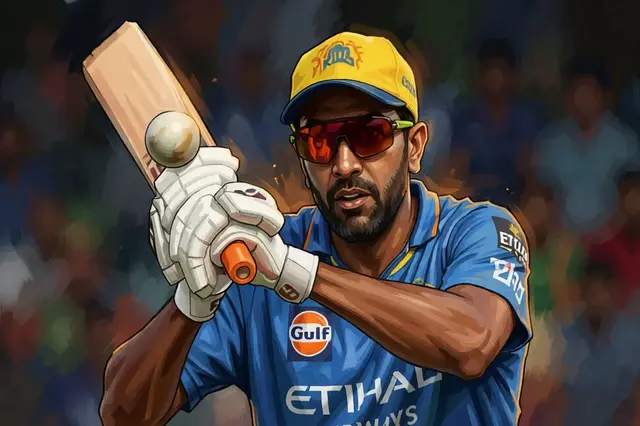
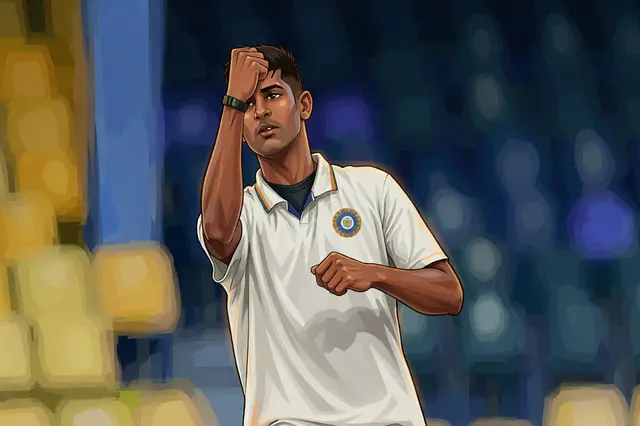
The new ball did the talking. At 7:45 PM IST, the BCCI media office finally dropped the ODI squad for the England tour, and the first three names screamed pure T20 pedigree. Rishabh Pant, Ishan Kishan, and the surprise inclusion of a young opener who hasn’t bowled a first-class ball since the Ranji grind. It was a list that made sense on paper, but felt jarring for anyone who spends their Tuesday nights staring at T20 league stats & highlights on their phones. The selection committee looked at the boundary-percentage. They ignored the middle-overs choke that plagues us every time we try to post a total on a sticky red-soil track in London.
Nobody in the dugout bought that excuse about the fast bowlers. The panel went heavy on the pace department, trusting the Impact Player gamble to keep the white ball skiddy and hard at length. This is a direct import from the domestic SMAT circuits, where the 22-yard power game has replaced the patient accumulation of runs. When you look at the data from the last two T20 seasons, the correlation is stark. Teams that rely on three big hitters lose when the dew factor hits after 8:30 PM IST. India’s ODI list, however, is built for the short format. It’s a bold, arguably reckless, move to take to a five-day white-ball tour of a country that still respects the art of building an innings.
Why the Middle-Overs Choke Keeps Happening
We talk about scoreboard pressure like it’s some intangible ghost. In the WPL dressing room, it’s just a number that stops your back foot from moving fast enough against a skiddy hard length. The new selection is betting that the top-three can clear the deck in the first twelve overs, allowing the middle order to just bat. That’s a T20 mindset. But in an ODI against England, where they rotate strike with monotonous discipline, that gap between the 20th and 40th over becomes a kill zone. The domestic Ranji players we see struggling in the second half of the season do so because they lack the technique to handle the new ball’s lateral movement once it’s been worn in. The ODI squad has to bridge that gap without a safety net.
“You can’t just copy-paste the T20 league stats & highlights into a 50-over format. The patience factor in England is completely different from the chaos of a home game in Ahmedabad,” said a senior coach at the NCA after the squad announcement.
The data doesn’t lie, though. If you cross-reference the T20 league stats & highlights with the ODI performance metrics, there’s a glaring hole in our spin department. We’ve left out the classic off-spinner who can bowl into the pitch on a seaming deck. Instead, we’re relying on left-arm orthodoxs who struggle against the flat, true-bounce tracks that the English counties are currently offering. According to recent analysis available on 99Matkagame, the average economy rate for Indian spinners on overseas ODI tours has risen by 14% in the last two cycles, largely due to a lack of wrist spin options. That’s a statistical cliff we’re about to walk.
The Ground Truth of the Selection
Let’s break down the squad’s actual utility. We have four genuine finishers, two setters, and a wicketkeeper who can hit with intent. The gap is the 40th-over bat. In the T20 format, you don’t need it. In the ODI format, it’s the difference between a 300 and a 280. The state-association pathways have produced a generation of players who can clear the ropes, but can they bat for forty minutes while the new ball is still swinging wildly? That’s the question the BCCI is refusing to answer. They’re betting on the impact of the T20 league stats & highlights driving our overall hitting percentage up. If that fails, we’re left with a squad that can chase 200 but struggles to defend 280.
- Top Order: Pure T20 muscle. Expect aggressive starts, high risk.
- Spin: A notable weakness for overseas conditions.
- Pace: A heavy reliance on skiddy, short-pitched attacks.
- Impact Player: Likely to be used as a second spinner or a quick-firing bowler.
The England tour is a test of nerve. We are taking a squad built for the shortest format into the middle of a 50-over war. The dew factor isn’t just a T20 worry here; it’s a tactical nightmare when the opposition has more overs to exploit it. The domestic Ranji grind has taught us how to bat in these conditions, but the selection committee has chosen speed over steadiness. Will the T20 league stats & highlights finally translate into ODI wins? Or will we watch yet another middle-order collapse on a seaming English deck? The new ball is in the air. The tracking radar is on. The real test begins in six weeks. For now, the only thing that matters is whether these batters can hold the bat when the score is 180 for 6 and the sun is going down. The boundary-percentage is high. The patience is low. Let’s see what sticks.
Related coverage
- Gambhir Flags ODI Collapse Fears: Why T20 League Stats & Highlights Reveal the Flaw
- BCCI Squads Revealed: T20 League Stats & Highlights Shape Selection

Updated 2026-11-17 · Instant Rupee Deposits & 60s Withdrawals · 24/7 Support.
Access Official EuropeNugs Portal →Syndicate & Match Preview Editor · Bengaluru Desk
Varun Kulkarni has tracked IPL auctions, T20 toss trends, and fantasy combinations since 2016. From Bengaluru, he oversees EuropeNugs's live match previews and t20 league stats & highlights guides.
Reader Discussion & Match Reactions (5)4.9★ Community (5 Comments)
Verified Indian cricket reader perspectives & tactical debate on europenugs.com
BCCI is ignoring the red-soil reality of London. Relying on T20 boundary percentages while forgetting the middle-overs choke is a disaster waiting to happen, especially with a pace-heavy attack that ignores patient accumulation.
Pant and Kishan in the squad is absolute paisa vasool, bhai! But this surprise opener who hasn't played Ranji? Pure madness from the selectors, yaar.
The shift toward SMAT circuit players changes all my fantasy projections. If we are gambling on the Impact Player rule for the pace attack, the value shifts entirely to the top three hitters.
The author is right about the dew factor after 8:30 PM IST. If the ball stays skiddy but we can't build an innings, the T20 pedigree won't save us in an ODI.
@Harshvardhan_K Exactly, and the article proves it by highlighting how we've replaced patient accumulation with a power game. This reckless approach to a five-day white-ball tour is a huge risk.