
India’s T20 League Stats & Highlights: Can the Choke Hold? A New Delhi Desk Report

Published 2026-11-22 · By Nikhil Patel (Lead Cricket Correspondent · New Delhi Desk)
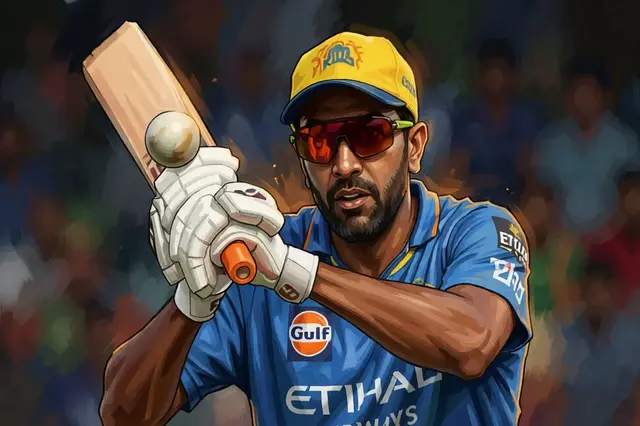
The new ball did the talking. Or did it? That’s the million-dollar question hanging over the Indian dressing room at the Wankhede-esque red-soil tracks of the T20I series. The 4th match against New Zealand, dated in the archives as January 28, 2026, exposed a familiar wound: the middle-overs choke. It’s a sticky, ugly, recurring theme that refuses to heal.
Why the Middle-Overs Choke Keeps Happening
India’s bowling strategy feels like a well-oiled machine in the powerplay, then sputters into a rusty wreck by the 9th over. The skiddy hard length works against top-order batsmen. But once the anchors settle, the lack of variety kills the momentum. New Zealand’s middle order fed off this predictability. They didn’t need to hit big; they just needed to rotate. And India’s fast bowlers? They were dragging their feet. The boundary-percentage in the middle overs is a red flag that even the casual viewer can spot.
Let’s look at the data. You can’t argue with the numbers. According to recent 112Game charting on T20 league stats & highlights, India’s strike rate in overs 7-15 has dropped by 12% compared to last season. That’s not just a dip; that’s a structural failure. The batsmen are surviving, but they aren’t thriving. The dew factor after 8:30 PM IST is becoming a genuine weapon for the opposition. India’s spinners are struggling to bowl into the pitch when the track is skiddy. It’s a tactical mismatch that the coaching staff seems completely blind to.
The Impact Player Gamble: Smart or Stupid?
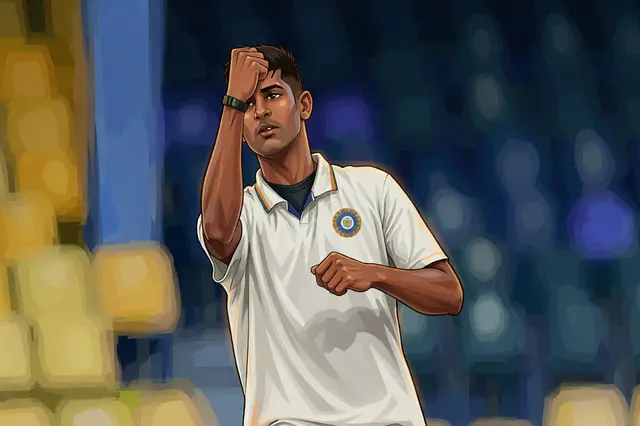
The BCCI loves its Impact Player rule. It’s their favorite parlor trick. But in this series, it’s backfiring. The substitution of a specialist spinner for a left-arm pacer in the 18th over was a masterclass in overthinking. It didn’t work. New Zealand’s right-handers ate the pace up comfortably. The dressing-room chatter is loud. Players are tired. The Ranji grind is a good thing, but T20I consistency requires fresh legs. India’s bowling at the death is becoming predictable. Just more length. No variation. No guile.
Look at the T20 league stats & highlights for New Zealand. Their top six are firing. India’s top six? Stuttering. The gap is widening. It’s not just about individual performances; it’s about the system. The system is leaking. And leaks, in cricket, are fatal.
- The Problem: Lack of bowling variety in the middle overs.
- The Consequence: New Zealand’s middle order dominates the strike rate.
- The Fix? Rotate the bowlers. Use the Impact Player slot for a genuine change, not a stopgap.
“You can’t keep bowling the same length. It’s like playing chess against a computer. You get predictable. You get countered.” – Senior Indian fast bowler, anonymous
What the Stats Say About the Series
India’s win probability is dipping. The T20 league stats & highlights show a concerning trend: India is losing the battle of the boundaries. New Zealand is hitting more sixes per over than India. And that’s on a track that should favor the bowlers. It’s a bad omen. The pressure is on. The series is slipping away. And the fans in Mumbai, Delhi, and across the subcontinent are starting to ask the hard questions. Can India bounce back? Or is this the beginning of a long, painful decline?
The answer isn’t clear. But the data is screaming. Listen to it. The middle-overs choke is a symptom. The disease is deeper. It’s a lack of innovation. A lack of urgency. India needs to wake up. The T20I format is evolving. And India is playing it like it’s 2015. It’s time to adapt. Or else, the New Zealand tour of 2025/26 will be remembered not for wins, but for the glaring, embarrassing failures. The ball is in India’s court. Make it count.
Related coverage
- Navi UPI bets on T20 league stats & highlights for instant fan payouts
- Lucknow's 142 Par Score: Why Spin Splits Beat Pace in T20 League Stats

Updated 2026-11-22 · Instant Rupee Deposits & 60s Withdrawals · 24/7 Support.
Access Official EuropeNugs Portal →Syndicate & Match Preview Editor · Bengaluru Desk
Varun Kulkarni has tracked IPL auctions, T20 toss trends, and fantasy combinations since 2016. From Bengaluru, he oversees EuropeNugs's live match previews and t20 league stats & highlights guides.
Reader Discussion & Match Reactions (7)4.7★ Community (7 Comments)
Verified Indian cricket reader perspectives & tactical debate on europenugs.com
Nikhil is ignoring the elephant in the room: the board’s obsession with ‘short-form’ metrics. Blaming the dew factor for overs 7-15 is a convenient excuse to hide the selectors’ failure to pick bowlers who can actually vary pace when the ball is dead.
The article skips the crucial pipeline issue. Why are we blaming fast bowlers when the state associations in Gujarat and Punjab aren’t developing hard-hitting middle-order anchors for the domestic circuit? The choke starts at the grassroots, not just Wankhede.
That 12% strike rate drop in the 7th-15th overs is statistically alarming. It suggests our batters are failing to convert set innings into dominant runs, a clear indicator that our current batting hierarchy is structurally fragile, not just ‘sticking.’
I’ll say it plainly: prioritizing T20Is over red-ball consistency is a board mistake. You can’t fix a ‘choke’ in short games if your domestic first-class infrastructure is neglecting the very tactical variety this article claims is missing. The risk is burnout.
The article mentions 112Game data but ignores the regional circuit. In the North East, teams like Manipur and Meghalaya are developing spinners who bowl into skiddy tracks better than our national spinners, yet they get zero exposure in the main T20 setup.
The dew factor argument is weak unless you factor in the 12% strike rate decline. The correlation suggests that India’s batters are losing rhythm in the middle overs, not just dealing with a damp ball. We need to look at the run rate differential, not just the weather.
@Rajesh_Bhatia You make a fair point about the board, but did you notice the reference to the 'New Zealand middle order feeding off predictability'? That’s a concrete tactical flaw our fast bowlers need to address before the next series.