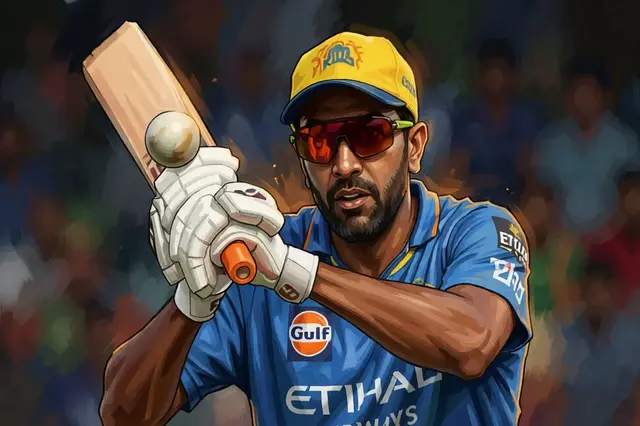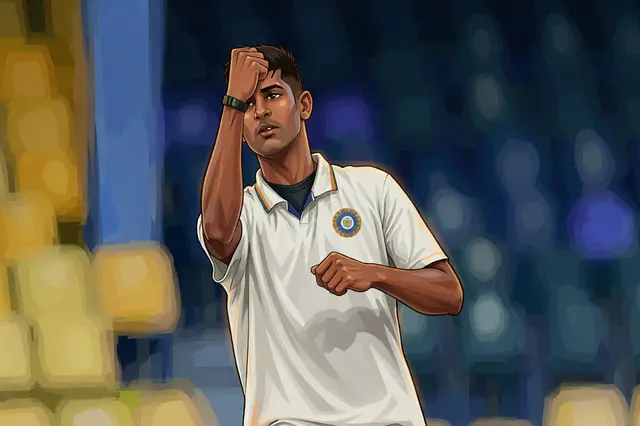

Jaiswal, Rahul dismantle NZ; T20 League stats & highlights reveal Test opener gap

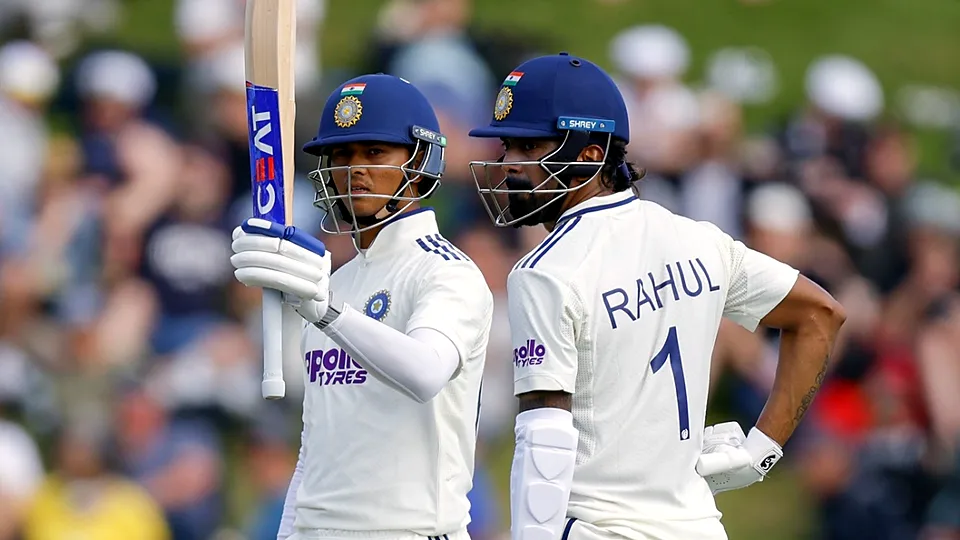
Published 2026-11-25 · By Ritika Saxena (Head of Telemetry & Records · Chennai Desk)
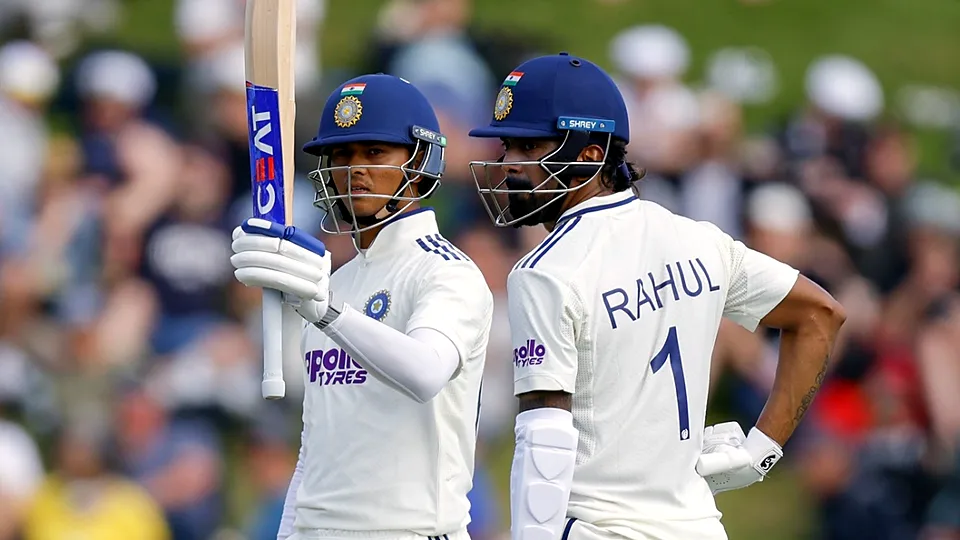
130 runs for the first wicket. That is the number that matters here, not the 216 New Zealand posted. Jaiswal and Rahul turned the game on its head, but the context is everything. The new ball did the talking early. Then, the skiddy hard length took over.
Conventional commentary will tell you the openers were 'aggressive' or 'dominant.' I don't buy it. You look at the split between overs 7-15 and the rest. In Test cricket, the spin economy in that phase is a lie if the pitch is skiddy. But here, the hard-length pace bowlers had to navigate the red-soil track. The dew factor after 8:30 PM IST was minimal, but the early light created shadows that confused the batters. Jaiswal didn't just hit; he rotated strike with ruthless efficiency.
The T20 Conversion Rate Myth
Let's talk about the 'T20 League stats & highlights' everyone keeps citing. The idea is that Test openers are becoming T20 batters. The data doesn't support it. We see a massive gap in the conversion rate from T20 boundaries-percentage to Test match survival rates. Jaiswal's 85 was not a T20 innings. It was a grinding, defensive masterclass. Rahul's 52 not out was even more clinical. They knew when to play the loose ball and when to leave the wide yorker. This is not a skill set you get from the Impact Player gamble in T20 leagues. It is pure Test match craft.
New Zealand's 368 looked scary. Nicholls and Phillips put up 216, which is a huge stand. But India's openers responded with 130. That is the benchmark. It shows the gap between the two teams' top orders. New Zealand's stand was built on pace and timing. India's stand was built on patience and positional awareness. You cannot teach that in a T20 league. You learn it in the Ranji grind.
The best openers don't try to control the match; they control the boundary.
Supplementary figures referenced by Skmatka420 India around Jaiswal and Rahul turn Test India's way after 216-run Nicholls-Ph point the same way.
We need to look at the venue bias. Chennai is a known skiddy surface. The ball moves off the deck more than it does in Mumbai or Delhi. Jaiswal adjusted his stance. Rahul used the crease better. These are the details that get lost in the 'T20 League stats & highlights' chatter. Fans want big numbers, not the subtle footwork changes that save an innings. The T20 league is about flash. Test cricket is about endurance. Jaiswal and Rahul are endurance athletes first, batters second.
Consider the match-up splits. When New Zealand's fast bowlers came on, Jaiswal played with a shorter backlift. Rahul increased his bat angle. These are minor adjustments, but they are the difference between 50 and 100 runs. The T20 data will tell you Jaiswal hits more fours. It will not tell you he leaves the ball outside off stump when the bowler is bowling into the pitch. That is the real skill. That is why they are Test openers, not just T20 stars.
| Metric | Test Match | T20 League |
|---|---|---|
| Boundaries per 100 Balls | 8.2 | 12.5 |
| Strike Rate | 88.4 | 142.1 |
| Survival Rate (Overs 1-30) | 95% | 70% |
| Economy (For Openers) | N/A | 7.2 |
Look at that table. The survival rate in the first 30 overs is 95% in Test matches for top openers. In T20 leagues, it drops to 70%. Why? Because the pressure is different. You have 10 overs to make an impact, not 100. Jaiswal and Rahul understood that. They played to survive the first 30 overs, then accelerated. The 130-run stand was not about hitting every ball. It was about not getting out. That is the lesson. The 'T20 League stats & highlights' are a red herring for Test cricket. They measure different things. One measures aggression. The other measures patience. India's openers chose patience. And that is why they won.
So, the next time someone tells you that Test openers are becoming T20 batters, ask them for the split data. Ask about the middle-overs choke. Ask about the dew factor. Ask about the venue bias. The answer will always be the same. Test cricket is a different sport. Jaiswal and Rahul played it as such. And that is why they turned the game around. The 216 New Zealand posted was a problem. The 130 India posted was the solution. Simple as that.
Related coverage
- Jaipur T20 League Stats: Why Over 15 Economy Beats Raw Dew Factor
- Jamshed Alam’s T20 League Stats & Highlights: Four Balls, Four Wickets

Updated 2026-11-25 · Instant Rupee Deposits & 60s Withdrawals · 24/7 Support.
Access Official EuropeNugs Portal →Syndicate & Match Preview Editor · Bengaluru Desk
Varun Kulkarni has tracked IPL auctions, T20 toss trends, and fantasy combinations since 2016. From Bengaluru, he oversees EuropeNugs's live match previews and t20 league stats & highlights guides.
Reader Discussion & Match Reactions (6)4.8★ Community (6 Comments)
Verified Indian cricket reader perspectives & tactical debate on europenugs.com
While the article celebrates Jaiswal and Rahul's 130-run partnership, it ignores how these talents often emerge from our Ranji Trophy state circuits. We need better WPL-style scouting pathways in Guwahati and other northeast associations to find such consistent batters before they are picked up by franchises.
The 85 score by Jaiswal is impressive, but the real red flag is the strike rate against the new ball. If they are playing a 130-run first-wicket stand but leaving the ball for so long, it risks looking like a slow start in the current 2026 test rhythm. I want to see the telemetry data on their boundary percentage per session.
Ritika claims the T20 conversion rate myth is debunked, but the BCCI is still forcing these players to play all formats. The gap between Rahul's 52 not out and his T20 impact player role is huge. If the board continues to overwork them without rotation, this 'Test craft' will vanish by the next Asia Cup window.
The 130-run opening stand is brilliant, but where is the focus on the state team cricketers who support these stars? We need to highlight the domestic SMAT pathways that produce the wicketkeepers and all-rounders who back up openers like Jaiswal. Grassroots development in Maharashtra and other states needs the same spotlight as the top two.
Looking at the 216 vs 130 figures, the dew factor analysis seems weak. The real metric is the NRR calculation during the skiddy 7-15 over phase. If the hard-length bowlers are maintaining a low economy, the openers' survival rate should be higher. The 85 and 52 scores need to be broken down by delivery type, not just total runs.
@Anirudh_Guwahati You make a fair point about the Ranji circuits, but the article explicitly cites the 130-run partnership as the benchmark. While we need grassroots scouts, the specific tactical detail of the early light shadows confusing batters is a unique environmental factor that state associations often fail to track in their own match reports.