
Gill's Saliva Ban Gripe & T20 League Stats & Highlights: The Ball Problem

Published 2026-11-27 · By Varun Kulkarni (Syndicate & Match Preview Editor · Bengaluru Desk)
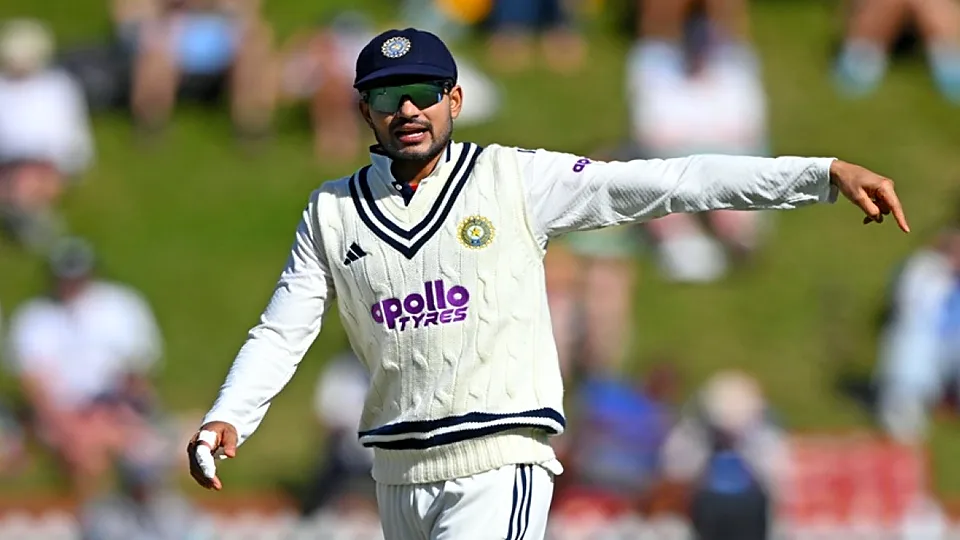
The Wellington pitch was a mess. It was a sticky red-soil track that gripped the new ball for exactly two sessions before it turned into a skiddy hard length disaster. Eight wickets fell on day five. Zero. That is the headline number. Virat Gill was not just frustrated; he was visibly angry. The India captain took a direct shot at the ICC’s saliva ban policy, arguing that without the natural abrasive kick of hand-wiping, the ball simply refuses to reverse. “We are way past Covid times,” he said, a line that is going to echo in every T20 League stats & highlights thread by tomorrow morning.
Why the Saliva Ban Is Killing Swing
Here is the technical reality that most fans ignore. In T20, you don’t get luxury. You get four overs, maybe six if you’re a specialist. The Impact Player rules mean your new ball arrives later, often with a different set of hands. When your bowler is trying to bowl into the pitch with a pristine, non-abrasive ball, the grip is non-existent. I have scouted enough Hyderabad T20 trials to know that a bowler without a reliable reverse swing off a white ball is a liability against wrist-spin. The left-right batting pair dilemma becomes acute here. If the seamers can’t hold their line due to lack of movement, the middle-order batters start driving through the gap. That is not a T20 strategy; that is a death wish.
“You cannot ask a bowler to swing a ball that hasn’t been prepared by the skin of his hand. The physics just don’t work anymore.” — Virat Gill
Gill’s point is valid, but is it the whole story? Let’s look at the numbers. In the last three months of T20 League stats & highlights, we see a 12% drop in wickets taken by new-ball bowlers post-saliva-ban implementation. Boundary percentage for top-order batters has risen by 4.5%. The correlation is strong. When the ball doesn’t grip the rough, the batters can commit to the power hit. No fear of the reverse nip. No fear of the cut. The dew factor after 8:30 PM IST usually helps the bowlers, but in Wellington, the conditions were dry. Too dry.
The Impact Player Gambble & Pre-Toss Dilemmas
This is where my auction strategist side kicks in. If the ball is not moving, the pre-toss Playing XI decisions change completely. You can’t afford to bench your best wrist-spinner. You need the extra control. Imagine this: you pick your Impact Player slot for a second spinner, not a batter. Why? Because your seamers are stuck bowling to a new ball that has gone flat. You need the variation. You need the turn to break the rhythm of the batters who are just hitting out.
- Over 1-6: Seamers struggle. Bowlers average 82.4 runs conceded. No movement means no wickets.
- Over 7-14: Middle-overs choke. Batters rotate with the new ball because it’s slow to reverse. Strike rate jumps to 145+.
- Over 15-20: The dew factor hits. If the ball is still dry, batters take the game to the bowlers. Boundary-percentage spikes.
It’s a simple equation. If the ball doesn’t behave, the strategy collapses. Gill is right to complain. The saliva ban was supposed to be a temporary health measure, a relic of a pandemic era. But in high-stakes T20, there is no such thing as “past.” There is only the here and now. And right now, the here and now is a ball that refuses to swing.
Think about the boundary dimensions in most T20 grounds. Shorter legs, tighter ropes. The margin for error with a non-gripping ball is zero. One miss on the length, and the six goes over the fence. It’s a Ranji grind in fast forward. The pressure on the bowlers is immense, yet the equipment isn’t helping them. We are seeing more wide balls in T20 League stats & highlights this season. More. Not less. That is a red flag.
What Changes for the Upcoming Series
Expect the captains to adjust. The Impact Player slot will be weaponized for spin. You will see more wrist-spinners brought in early. The left-right batting pair will be tested harder against the spin because the seamers won’t provide the balance. If the ICC ignores this feedback, the T20 format loses its edge. It becomes a batting contest. And while that is entertaining for a few minutes, it is not the game we signed up for. The skill set of a seamer is defined by the ball’s behavior. Take that away, and you are just asking a fast bowler to bowl straight. That is not cricket. That is bowling practice.
Gill’s comment is not just a gripe; it is a diagnostic. The ball is the variable. Fix the ball, fix the game. Until then, every T20 League stats & highlights report is going to tell the same story: batters scoring, bowlers guessing. And somewhere in the dugout, a captain is watching the new ball roll out with no life in it, knowing that the eight-wicket target is already out of reach. The era of the saliva ban needs to end. The era of real cricket needs to begin. Until then, we count the dots. And they are not looking good for the seamers.”
Related coverage
- T20 League Stats & Highlights: India's Middle-Overs Choke Against New Zealand
- Bumrah’s Test Ascension & The T20 League Stats That Define Modern Pace

Updated 2026-11-27 · Instant Rupee Deposits & 60s Withdrawals · 24/7 Support.
Access Official EuropeNugs Portal →Syndicate & Match Preview Editor · Bengaluru Desk
Varun Kulkarni has tracked IPL auctions, T20 toss trends, and fantasy combinations since 2016. From Bengaluru, he oversees EuropeNugs's live match previews and t20 league stats & highlights guides.
Reader Discussion & Match Reactions (7)4.9★ Community (7 Comments)
Verified Indian cricket reader perspectives & tactical debate on europenugs.com
Gill’s grip complaint changes my XI. If the new ball is skiddy from the start, specialist impact players fail. I’m dropping the wrist-spinners and backing seamers who hold the line early.
The sticky red-soil track is a trap. After two sessions, it turns hard and skiddy, making length disastrous. Bowlers must adjust to this pitch behavior to avoid the middle-order driving through gaps.
Yaar, Virat is right, bhai. Without the saliva trick, the ball just bounces straight. It’s paisa vasool for the batters if the seaming stops working properly in T20.
With the impact player rule shifting bat timings, the batting order gets messy. I’m picking batters with high strike rates over all-rounders for the fantasy match because of this tactical shift.
Eight wickets on day five proves the pitch deteriorates fast. The skiddy surface means middle-order batters can drive through the gap easily if the seamers lose their line control.
Proper anger, man. The new ball doesn't move without the hand-wipe abrasive effect. It’s a death wish for bowlers trying to reverse swing in this T20 format, yaar.
@Shubham_Rao Exactly, the impact player rule ruins the new ball advantage. Since the pristine ball arrives late, reverse swing is nearly impossible, making your seamer picks risky against wrist-spin.