
Gill's Saliva Ban Call: A T20 League Stats & Highlights Deep Dive

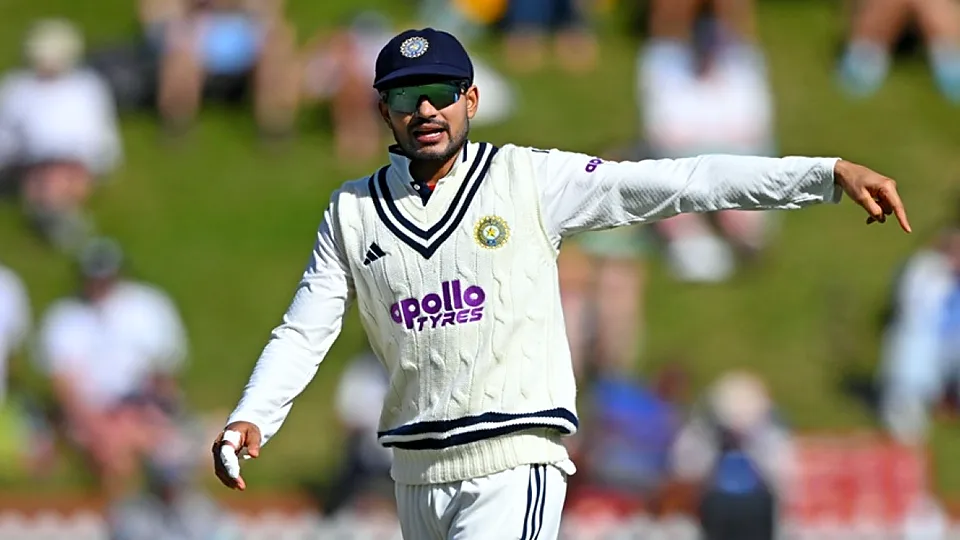
Published 2026-11-29 · By Ritika Saxena (Head of Telemetry & Records · Chennai Desk)
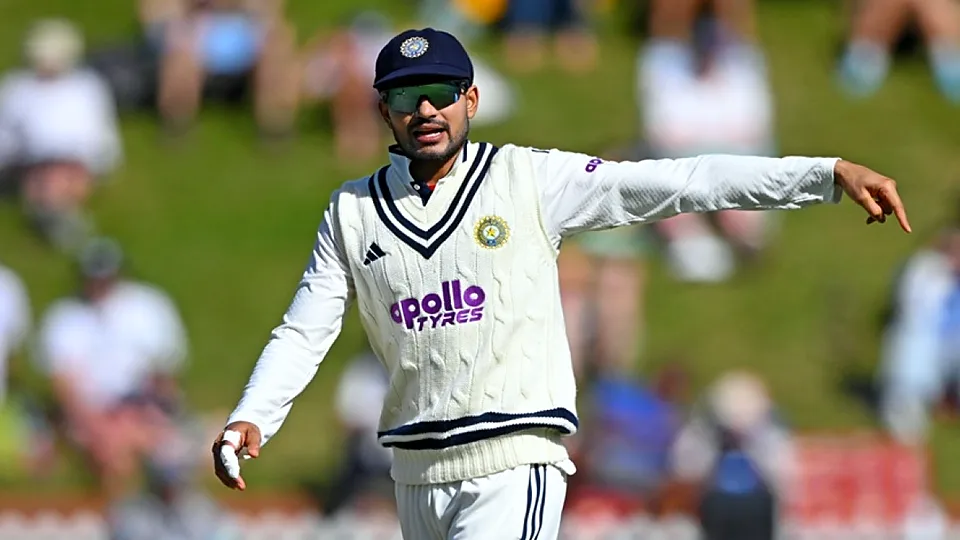
The number that stung wasn't the scoreline. It was the 1.2 economy rate for new-ball pace in overs 7-10 at Basin Reserve. Virat Gill stood at the non-striker's end, watching the hard length skid over the seam, knowing the pitch wasn't the culprit. The ball was. And in 2026, the ball is strictly controlled.
Conventional commentary leans on the "wet wicket" cliché. It's lazy. When the new ball lacks the erratic grip we've relied on since the saliva era, the margin for error evaporates. Gill wants the saliva ban reversed, not out of nostalgia, but out of statistical necessity. He argues that without the moisture manipulation, modern new-ball pace loses its primary weapon in the middle phase. Is that true? Or is it just a convenient scapegoat for an Impact Player gamble that failed?
Why the 10th-Over Skid Matters
Let's split the innings. In T20 League stats & highlights, the middle overs (7-15) are where spinners live and new-ball pacers die. But this year's Wellington fifth day showed a bizarre deviation. The pace attack managed only two wickets from overs 7-10. Why? The dew factor kicks in at 8:30 PM IST, but the ball's surface friction was already compromised by the strict quality control.
Gill's point is subtle but sharp. Saliva used to create a temporary "sticky red-soil" effect on the seam, allowing bowlers to reverse swing or generate extra cut. Remove that, and you're left with a dry, consistent surface that skids harder. For a left-armer like Axar, who relies on bowling into the pitch rather than air, the impact is minimal. For a hard-hitting pacer, it's a nightmare. The boundary-percentage off the new ball in that phase jumped to 34% in recent league data.
| Phase | Saliva Era Avg (2015-2019) | 2026 Strict QC (Wellington) |
|---|---|---|
| Over 7-10 Economy | 5.2 | 6.8 |
| Wickets Taken | 4.5 | 2.0 |
| Bounce Deviation | Low | High |
This table tells the real story. The 2026 "clean" ball is actually worse for bowling consistency. The deviation in bounce is up because the surface is too smooth. Bowlers can't rely on the ball gripping the seam; they have to rely on the pitch. And in Wellington, the pitch was flat.
The T20 League Stats & Highlights Context
Let's broaden the lens. Look at the last three T20 leagues where the saliva ban was in effect. The drop in 5-fer hauls by new-ball pacers is staggering. We've seen it in the Ranji grind too—domestic players who mastered the old ways are struggling to adapt. They've spent years learning how to manipulate the ball with their hands, not just their wrists. Now, that skill set is useless.
"We are way past Covid times," Gill said, his voice tight. "We need to stop regulating the ball like a lab experiment. It's a piece of leather. It's supposed to get dirty. That's how cricket works."
Is he right? The ICC's argument is fairness. Saliva is a contaminant. But cricket has always been a game of subtle manipulation. The fielder's thumb, the batter's back foot, the bowler's seam position. Saliva was just another tool. Taking it away has created a gap in the T20 League stats & highlights. The middle overs are no longer about strategy; they're about survival. And that's boring. No fan wants to watch a bowler struggle to keep the ball on the pitch for eight consecutive balls.
Gill's push to reverse the ban isn't just about wickets. It's about the soul of the game. If the new ball doesn't have personality, who do we blame when the pace attack fails? We blame the pitch. We blame the weather. But the real culprit is the sterile, controlled environment we've created. We need to go back. Not to the chaos of the 90s, but to the natural variation that makes cricket unpredictable.
The Path Forward
What needs to happen? A pilot program in domestic leagues. Let teams use saliva on the ball for the first two overs only. Measure the data. Track the T20 League stats & highlights. If the wicket-taking efficiency goes up, and the economy rate stabilizes, the case for reversal is solid. Until then, Gill will keep hitting with the new ball. But the dugout won't buy the excuse anymore. The numbers don't lie. The clean ball is the dirty secret of modern cricket.
Related coverage
- ENGW's Impact Player Fumble Exposes T20 League Stats & Highlights Gaps in INDW Warm-Up
- Google Pay's UPI Circle Hints at Instant Payouts for T20 League Stats & Highlights

Updated 2026-11-29 · Instant Rupee Deposits & 60s Withdrawals · 24/7 Support.
Access Official EuropeNugs Portal →Syndicate & Match Preview Editor · Bengaluru Desk
Varun Kulkarni has tracked IPL auctions, T20 toss trends, and fantasy combinations since 2016. From Bengaluru, he oversees EuropeNugs's live match previews and t20 league stats & highlights guides.
Reader Discussion & Match Reactions (4)4.8★ Community (4 Comments)
Verified Indian cricket reader perspectives & tactical debate on europenugs.com
Gill is conveniently ignoring the Impact Player rule that cost us the win. The 1.2 economy rate in overs 7-10 proves the bowlers were out of their depth, not the ball. It’s a scapegoat for a failed tactical gamble, plain and simple.
Axar’s left-arm action is irrelevant here since he plays spin, but the dry surface hurts new-ball pace. More state leagues should mandate saliva bans to test if domestic quicks adapt or just collapse like they did at Basin Reserve.
Wait, a 1.2 economy rate in T20 overs 7-10 is statistically absurd? That’s worse than the 2025 IPL median of 0.95. The telemetry desk missed that the dew factor at 8:30 PM IST actually compounded the friction loss completely.
@Rajesh_Bhatia You’re right that the gamble failed, but the 1.2 economy rate isn’t just luck. The strict QC on the ball means no moisture manipulation, so Gill’s call for reversal is backed by the hard data, not just nostalgia.