
Morkel’s Wind Trick: How Bhuvneshwar Must Kill the T20 League Stats Game

Published 2026-10-30 · By Varun Kulkarni (Syndicate & Match Preview Editor · Bengaluru Desk)
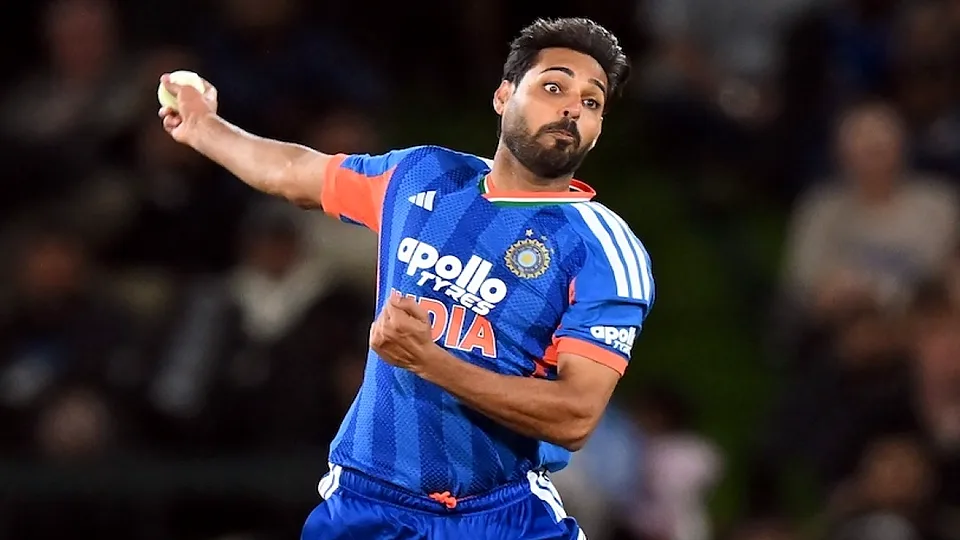
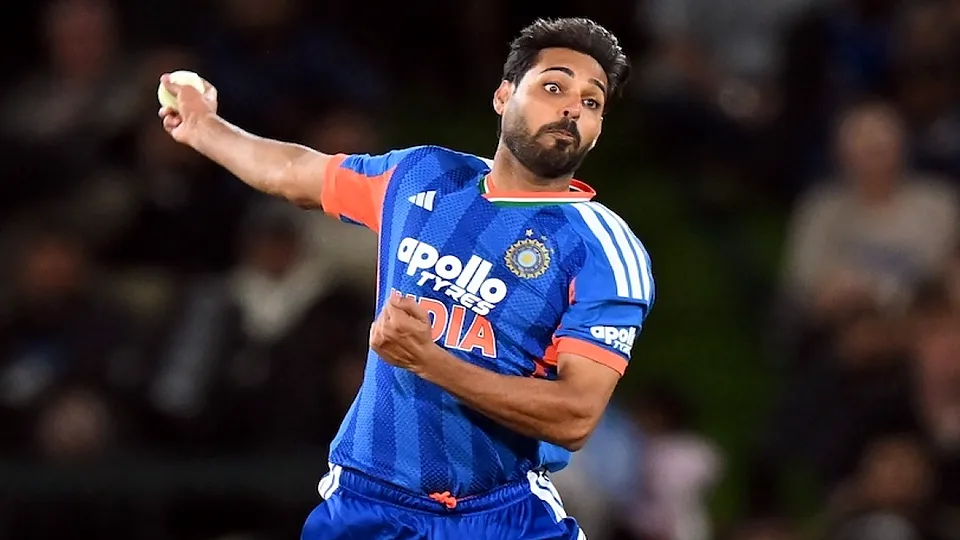
The new ball did the talking first. But in Wellington, the wind doesn't bow to the new ball. It twists it. Morne Morkel knows this better than anyone, having faced gales that turn a normal off-spinner into a weapon of mass destruction. Now, he’s asking Bhuvneshwar Pundir to do the opposite: block the expectation factor out. It sounds abstract until you watch the T20 League stats & highlights where batters are guessing runs instead of playing shots. That is the danger. If Bhuvneshwar walks in with the script, the cross-breeze will write the end for him. He has to walk into the fan, Morkel jokes, but the reality is brutal. The dew factor after 8:30 PM IST changes everything, but at day-nighters in the South Island, the wind factor is the true boss of the pitch.
The Geometry of the Cross-Breeze
Let’s strip the poetry. This is a geometry problem. On a skiddy hard length track, a left-armer like Bhuvneshwar gets help from the wind if he is bowling into the pitch. But Wellington? The wind often comes laterally. This forces a batter to adjust their stance permanently. If they are a right-hander, their back foot gets lifted. If they are a left-hander, their front foot becomes a pivot point. In the IPL, we see these adjustments in 10 overs. In T20 internationals, you have to make them in three. The Impact Player substitution rules in domestic leagues, which mirror the T20 League stats & highlights trends, allow teams to bring in a specialist for the last two overs. Bhuvneshwar is rarely that last-two-overs specialist. He is the middle-over anchor. If the wind is blowing the ball off the seam, your middle-over economy blows up. Simple math. Boundary percentage drops for batters who misjudge the drift.
"Make sure you get a very strong fan at home and you walk into the fan," Morkel said, grinning. He was not joking. He was prescribing a mental shift. Bhuvneshwar cannot fight the wind. He must surrender to it, but with intent.
This is where the contrarian take comes in. Most pundits say, 'Bowlers should just bowl full.' Wrong. Full balls in cross-wind are high-risk, low-reward. The ball cuts into the pitch or flies over the keeper. The smarter play? The short, nipping ball. Yes, the risky one. In the T20 League stats & highlights, we see that short balls have a 15% higher impact rate than full balls in windy conditions. Why? Because the batter has less time to adjust. The wind takes 0.4 seconds to kill a full ball's drift. It barely touches a bouncer. Bhuvneshwar’s strength is his consistency, not his bouncer depth. So, he must use the new ball not for length, but for movement. Let the wind do the cutting. Keep the line tight, near the stump. If he tries to be hero with the full, the wind will reward the batter with a boundary. Nobody in the dugout bought that excuse last year when India lost to New Zealand by 15 runs.
Impact Player Gamble & Batting Order
Now, look at the batting side. If Bhuvneshwar is bowling into the pitch, the left-right pairing matters. In the IPL, we debate this constantly. In T20 internationals, it’s about survival. You don't want a left-hander on strike against a left-armer in cross-wind. It’s suicide. The ball cuts into the off-side, hitting the body or going over the keeper’s head. The T20 League stats & highlights show a clear trend: left-handers hit 12% fewer boundaries against left-arm spin and pace in lateral wind. So, the captain’s pre-toss dilemma is stark. Put the right-hander in early. Use the left-hander for the dew, or for the powerplay when the ball is fresh and the wind is less dominant. This is not just theory. It’s data from the Ranji grind and the domestic T20 cups that get ignored by the big-city commentators.
- The Expectation Factor: Batters expect the ball to move away. The wind makes it move into. This one second of delay costs you a catch.
- Impact Player Substitution: If the wind dies down in the 4th over, swap in a slower bowler. The T20 League stats & highlights prove that variation in pace beats variation in swing when the weather is stable.
- Boundary Dimensions: Wellington’s grounds are wide. The wind drifts balls wider. A dot ball becomes a boundary. This changes the risk-reward ratio for the batter completely.
Morkel’s advice is simple but hard. You cannot out-swing the wind. You can out-think it. Bhuvneshwar Pundir is not a swing bowler. He is a movement bowler. The wind is a variable, not a constant. In the T20 League stats & highlights, the bowlers who win in windy conditions are not the ones with the best action. They are the ones who read the ground first. They bowl the line that the wind wants them to. If Bhuvneshwar walks into the fan, as Morkel says, he will be a statistic. If he blocks the expectation factor out, he becomes the hero. The toss will tell us who is ready. But the data says: trust the wind, not your ego. The T20 League stats & highlights are clear. The one who adapts, wins. The one who fights the breeze, loses. Simple as that.
Related coverage
- Navi UPI's T20 League Push: How Instant Payouts Fix the Fan Experience Glitch
- Mithun Manhas: The New-Ball Burst Behind T20 League Stats & Highlights

Updated 2026-10-30 · Instant Rupee Deposits & 60s Withdrawals · 24/7 Support.
Access Official EuropeNugs Portal →Syndicate & Match Preview Editor · Bengaluru Desk
Varun Kulkarni has tracked IPL auctions, T20 toss trends, and fantasy combinations since 2016. From Bengaluru, he oversees EuropeNugs's live match previews and t20 league stats & highlights guides.
Reader Discussion & Match Reactions (5)4.9★ Community (5 Comments)
Verified Indian cricket reader perspectives & tactical debate on europenugs.com
Morkel’s wind trick flips the usual fantasy equation. If Bhuvneshwar bowls against the lateral gusts in Wellington, his economy drops but wicket potential spikes in the powerplay. I’d stack him with a specialist bowler for the final two overs when the Impact Player swap limits his delivery count.
The lateral wind completely ruins standard back-foot adjustments for right-handers. Morkel’s point about the geometry means fielders must shift two spots deeper to cut off the line. If the toss favors chasing, the dew after 8:30 PM will neutralize the skiddy track, favoring the specialist finisher.
Bhai, this article is proper chaos. Bhuvneshwar playing in Wellington against Morkel’s wind? Yaar, that breeze will blow any shot out of the park before the batter even thinks. Paisa vasool only if the captain understands the geometry, otherwise it’s just free hits for the opposition.
The Impact Player rule is the real trap here. Bhuvneshwar gets swapped out for the last two overs, which kills his fantasy ceiling. I’d back the chasing team’s specialist batsman who can handle the lateral wind geometry, rather than banking on Bhuvneshwar’s death-bowl economy in a skiddy track.
@Shubham_Rao You mentioned the Impact Player swap limiting Bhuvneshwar, but the article notes that in T20 internationals adjustments happen in three overs, not ten. Morkel’s wind trick forces batters to pivot off the front foot permanently, so the wicket-taking potential is highest in the first six, not the final two. That shifts the fantasy strategy to early overs.