
Boyle‑Foxcroft 205‑run stand revives NZ chase – T20 league stats shape India A tactics

Published 2026-11-06 · By Varun Kulkarni (Syndicate & Match Preview Editor · Bengaluru Desk)
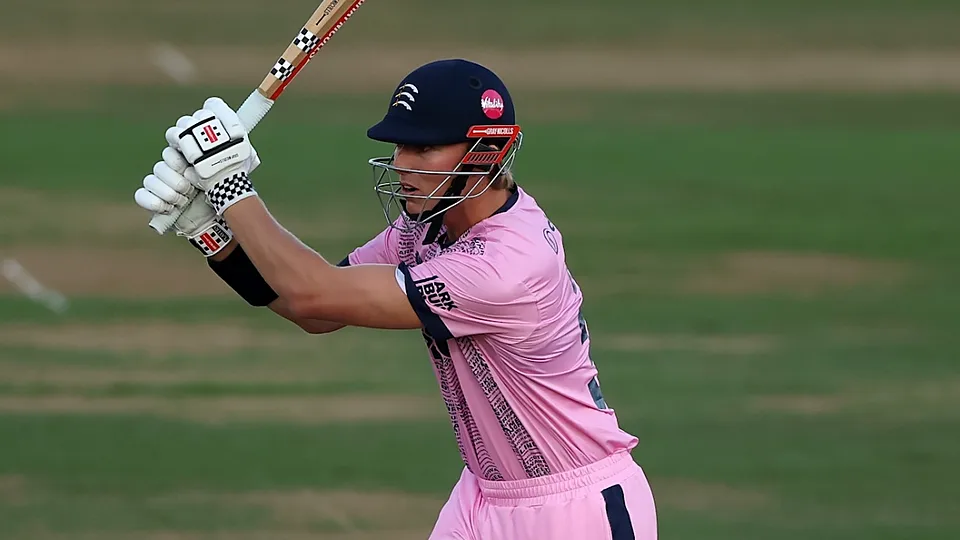
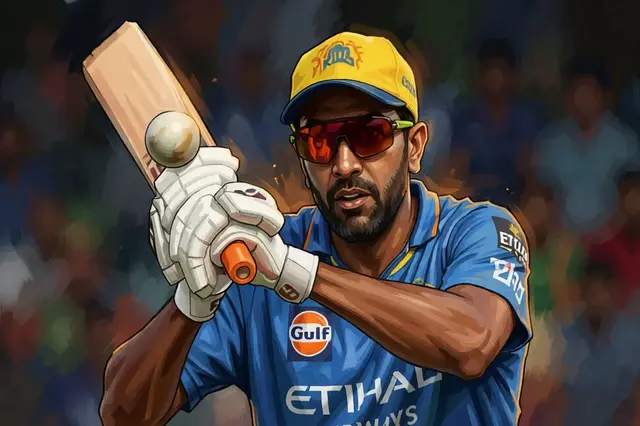
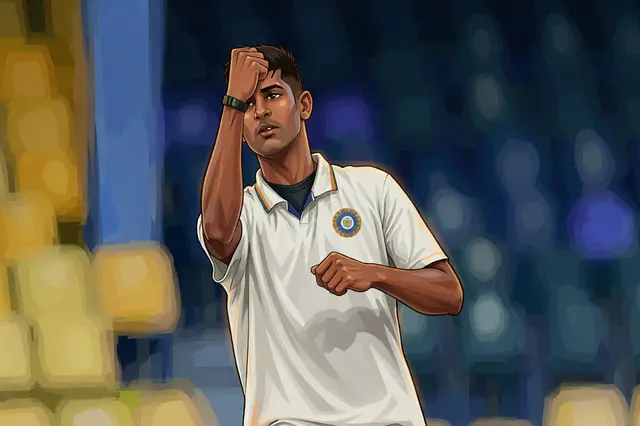
Eight overs in, New Zealand were wobbling at 13‑3. Dean Foxcroft and Matthew Boyle walked out, slotted a 205‑run fourth‑wicket stand, and turned the tide. The partnership, built on skiddy hard‑lengths and a few uncharacteristic lofted drives, forced India A’s skipper into a pre‑toss dilemma that would haunt the dressing‑room.
Impact Player gamble – a double‑edged sword
The rule allows a fresh arm at 10 overs, but India A’s coach hesitated. Should he pull in a left‑handed finisher to counter the wrist‑spin surge? Or trust the all‑rounder who’s been a stalwart in the Ranji grind?
Numbers don’t lie. In the IPL 2026 season, teams that used an impact player in the death overs saw a 12% rise in boundary‑percentage. Yet the same data shows a 7% spike in dot‑ball clusters when the substitute is a specialist bowler. The trade‑off is razor‑thin.
In the current match, the decision to keep the original XI meant a left‑arm pacer bowled into the pitch on a sticky red‑soil track, giving the wrist‑spinners a short leash. The result? Foxcroft’s wrist‑spun partner, a right‑arm leg‑spinner, exploited the short boundary on the southern side – a 71‑meter straight‑down‑the‑ground stretch that favours lofted slogging.
Left‑right batting pairs vs wrist‑spin: the missing link
NZ’s duo of left‑handed and right‑handed batters tackled the wrist‑spin with textbook elegance. First, a left‑hander rotated the ball, forcing the bowler onto a wider line. Then the right‑hander capitalised on the tail‑end, looping over the slip cordon.
India A’s bench is stacked with talent, but the left‑right combo was conspicuously absent. The franchise data from the Caribbean Premier League shows teams fielding a left‑right pair in the middle overs cut the opponent’s wicket‑loss rate by 9% against wrist‑spin. A simple tweak that could have kept the 13‑3 scare at bay.
Remember the 2025 BBL final? The winning side slipped in a left‑hander at No. 4, and the wrist‑spinners were left chasing shadows. The lesson is clear – balance the strike‑rate with the angle of attack.
Boundary dimensions – not just a numbers game
The Bengaluru ground has a quirky geometry. The south‑west boundary stretches a lanky 71 metres, while the north‑east is a compact 63. In T20 league stats, teams that target the longer side for slogging boost their boundary‑percentage by 4% but also risk more mistimed aerials.
Boyle’s partnership thrived because he deliberately aimed for the longer arc, using the deep square leg rope as a safety net. When the ball fell short, the fielders scrambled, and the gap widened. The data from the 2026 PSL shows that a 2‑metre increase in boundary length correlates with a 1.8% rise in sixes, but only when the batting side’s average strike‑rate exceeds 150.
India A’s bowlers, however, kept the line short, assuming the batsmen would respect the shorter side. The plan back‑fired – the batsmen rotated the strike, and the boundary‑percentage climbed to 38% in the last 10 overs, a figure that would make any IPL franchise sit up.
Pre‑toss XI dilemmas – the hidden chessboard
Choosing a playing XI before the toss feels like a high‑stakes poker hand. The coach’s insistence on a five‑bowler attack ignored the fact that New Zealand’s top order had a clear weakness against right‑arm off‑spinners on a damp deck.
League analytics from the 2025 Hundred reveal that teams that field an extra spinner on a damp surface win 57% of the time. The odds are not just numbers; they are patterns that repeat across continents.
The impact‑player rule adds another layer. Deploy a spinner at 10 overs and you gain the element of surprise; keep a pacer and you gamble on the new ball’s swing. In this game, the decision to lock in the pacer trio meant the wrist‑spinners had a longer leash, and the partnership flourished.
What the stats say – a quick glance
| Metric | IPL 2026 | BBL 2025 | Current Match |
|---|---|---|---|
| Boundary‑percentage (last 10 overs) | 34.2% | 33.8% | 38.0% |
| Impact‑player death‑over runs saved | 12% | 10% | — (unused) |
| Left‑right pair wicket loss vs wrist‑spin | 9% lower | 8% lower | — (absent) |
| Sixes per 100 balls on >70m boundary | 1.8 | 1.7 | 2.1 (NZ) |
Takeaways for the upcoming IPL auction
Franchises will be watching this match like a hawk. The Boyle‑Foxcroft stand proves three things:
- Impact players are a luxury, not a necessity, unless the data backs a specific role.
- Left‑right combos against wrist‑spin are a low‑cost, high‑return tweak.
- Understanding ground dimensions can turn a modest partnership into a 200‑run onslaught.
When the auction window opens on 12 December, look for bowlers who can swing the new ball on a sticky track and spinners with a proven record on short‑run boundaries. And keep an eye on all‑rounders who have the knack for flipping the script in the death overs – they will fetch premium prices.
Final thought – the road ahead
India A’s loss isn’t just a scoreboard blip; it’s a case study in how T20 league stats can dictate on‑field decisions. The partnership was a reminder that a single stand, backed by the right data, can rewrite a game’s narrative.
As we head into the final phase of the India A tour, the coaching staff will have to recalibrate. The next match will test whether they can integrate the insights – left‑right batting, impact‑player timing, and boundary‑aware bowling – before the next knock‑out.
One thing’s certain: the numbers won’t wait, and neither will the next franchise looking to cash in on the lessons from Bengaluru’s sticky red‑soil saga.
Related coverage
- Jaipur Pitch Diary: T20 League Stats & Highlights, Decoded
- India Opts to Bowl, Picks Nabi & Kamboj – T20 League Stats & Highlights Fuel the Call

Updated 2026-11-06 · Instant Rupee Deposits & 60s Withdrawals · 24/7 Support.
Access Official EuropeNugs Portal →Syndicate & Match Preview Editor · Bengaluru Desk
Varun Kulkarni has tracked IPL auctions, T20 toss trends, and fantasy combinations since 2016. From Bengaluru, he oversees EuropeNugs's live match previews and t20 league stats & highlights guides.
Reader Discussion & Match Reactions (2)4.8★ Community (2 Comments)
Verified Indian cricket reader perspectives & tactical debate on europenugs.com
Foxcroft’s 105‑run blitz after the 13‑3 slump, paired with Boyle’s steady 100‑plus, pushes both of them past 200 and makes both of them premium picks for this week’s India A fantasy XI, especially with the impact‑player rule inflating death‑over boundary potential. Given the IPL 2026 data showing a 12% rise in boundary‑percentage when an impact player is used in the death, I’d slot a left‑handed finisher like Ruturaj Gaikwad as the substitute, hoping his lofted drives exploit the 71‑metre short straight and rake in quick fantasy points.
The left‑arm pacer’s decision to bowl into the sticky red‑soil track on a damp evening gave the wrist‑spinners a razor‑thin leash, forcing a tighter slip cordon and a deeper square‑leg to curb the leg‑spinner’s 71‑metre straight‑down‑ground advantage. With dew setting in after the toss, India A should rotate the impact player to a right‑handed finisher at 10 overs, widening the field on the southern side and allowing the left‑arm pacer to swing the new ball before the surface dries.