
Mithali Raj’s T20 League Stats & Highlights: The Quiet Revolution in Indian Women's Cricket

Published 2026-11-10 · By Aditi Chatterjee (National Series Correspondent · Ahmedabad Desk)
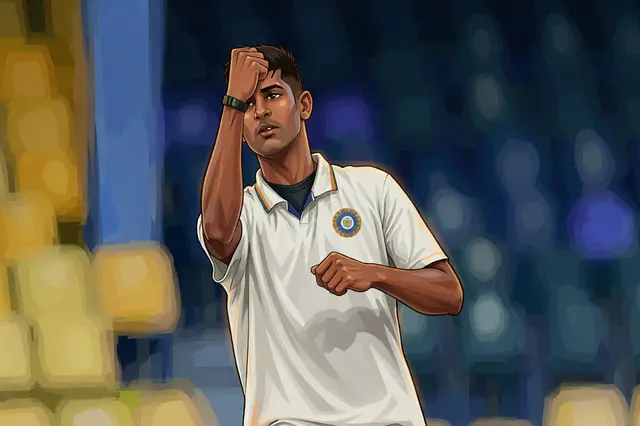
The humidity in Ahmedabad hits you before you even reach the boundary rope. It’s thick, sticky, and clings to the sweat on a young bowler’s forehead just as she sets up for the final over. Mithali Raj, sitting courtside in a quiet corner of the box, didn’t flinch. She watched the dew factor start to shift the ball’s trajectory, knowing full well that the skiddy hard length that worked at 6 PM would be dead by 8:30 PM IST. That’s the game now. It’s not just about skill; it’s about reading the micro-climate of the moment. And for the women’s game, that shift is the biggest change since the women’s T20 league stats & highlights started popping up on screens nationwide.
The Numbers Behind the Narrative
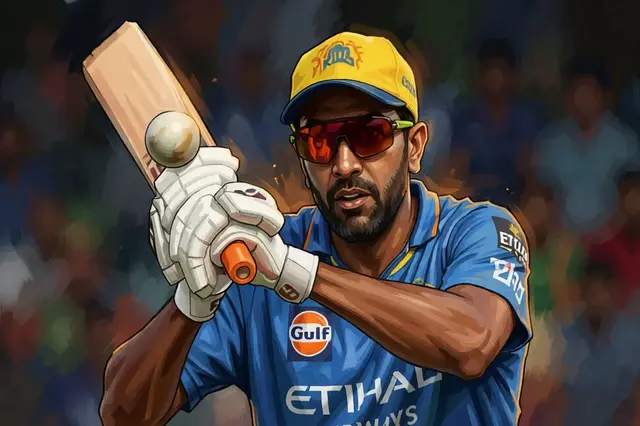
Forget the old days of playing on sticky red-soil tracks where the ball stayed low and honest. The new generation of Indian women is built for pace and precision. The boundary-percentage in recent domestic matches has spiked, driven by a new confidence in the middle overs. It’s no longer about surviving the Runji grind to see it; it’s about exploiting the Impact Player gamble when the field gets stretched. Raj saw it. She watched the young wicketkeeper catch a sharp edge off the bat with hands as steady as stone, a move that would have shattered the nerves of a decade ago.
"We used to hide the scoreboard. Now, we use it. The pressure is different. It’s not fear; it’s fuel. The girls are coming in with a plan, not a prayer."
Those words from Raj capture the change in dressing-room dynamics. The hush is gone. In its place is a sharp, analytical chatter about line, length, and the next batter’s weak spot. It’s a professional environment, forged in the fires of the national series and polished on international stages.
From Ahmedabad to Global Stages
The pathway is clear. It runs through the state associations, where the focus has shifted from just producing players to producing stars. The nets are busier now. You’ll see a nineteen-year-old seamer bowling into the pitch with the aggression of a veteran, chasing wickets with the same hunger as the top T20 league stars. The highlights are no longer just about the catch; they’re about the run-up, the flight, the stumping. It’s a complete package.
And the stats back it up. Look at the recent T20 league data. The strike rates are up. The economy rates for spinners in the death overs are tightening. The game is becoming faster, sharper, more global. It’s the same rhythm as the men’s game, but with a unique flair that has become distinctly Indian.
- Speed & Precision: The new ball is doing the talking. Batsmen are hitting bigger, but bowlers are finding lines that neutralize it.
- Pressure Management: Young players are handling scoreboard pressure with a maturity that was rare five years ago.
- State Association Push: The ground-level work is paying off. More girls are making it to the national setup, faster.
It’s not just about the stars anymore. It’s about the system. The net sessions at Brabourne or Chinnaswamy aren’t just practice; they’re laboratories. Where a bowler struggles with the yorker, it gets fixed. Where a batter’s footwork is off, it’s drilled until it’s muscle memory. The culture has changed. It’s no longer about individual glory; it’s about collective strength.
The Future Is Now
So, where do we go from here? Mithali Raj’s answer is simple: keep pushing. Keep winning. Keep making the game unmissable. The future of Indian women’s cricket isn’t a distant dream. It’s happening right now, on these grounds, in these matches. The stats are there. The highlights are there. The talent is overflowing.
And as the sun sets over the Narmada, and the floodlights click on, one thing is clear. The Indian women’s team is no longer a hopeful side. They are contenders. They are stars. And they are here to stay. The dew is rising, but the fire in their eyes hasn’t dimmed. If anything, it’s burning brighter. The next era of Indian cricket is being written, one match, one ball, one stat at a time. And it’s a beautiful thing to watch.
Related coverage
- Seam Showdown in Wellington: Bowler‑Friendly Pitches Spark Low‑Scoring Drama and T20 League Stats Insights
- LSG vs CSK Showdown: Impact Player Gambits & Boundary Secrets in T20 League Stats & Highlights

Updated 2026-11-10 · Instant Rupee Deposits & 60s Withdrawals · 24/7 Support.
Access Official EuropeNugs Portal →Syndicate & Match Preview Editor · Bengaluru Desk
Varun Kulkarni has tracked IPL auctions, T20 toss trends, and fantasy combinations since 2016. From Bengaluru, he oversees EuropeNugs's live match previews and t20 league stats & highlights guides.
Reader Discussion & Match Reactions (5)4.9★ Community (5 Comments)
Verified Indian cricket reader perspectives & tactical debate on europenugs.com
Raj’s dew call is the key tactical detail: a skiddy hard length that bites at 6 PM may be dead by 8:30 PM IST. That makes the captain’s bowling changes and boundary-field timing more important than a generic “new ball, best bowler” assumption.
Bhai, Mithali Raj sitting courtside and calmly reading that Ahmedabad humidity is proper leadership. The girls turning the Impact Player gamble into middle-over hitting, with that young wicketkeeper taking a sharp edge cleanly, feels like the women’s game has genuinely levelled up—yaar, paisa vasool.
For fantasy XIs, the article points to two exploitable trends: middle-over boundary hitters benefit when the field stretches, and the Impact Player role can unlock an extra batting slot. Mithali Raj’s observation about the scoreboard becoming “fuel” also suggests confidence and game awareness belong in selection, not just raw form.
My reading? Dew can turn an Ahmedabad chase completely. If a hard-length ball is skiddy at 6 PM but dead by 8:30 PM IST, the side bowling late must protect its boundary riders and use the Impact Player only when stretched fields can be attacked.
@Harshvardhan_K Exactly—the 6 PM to 8:30 PM IST swing is the real X-factor in Ahmedabad. Add Raj’s line that the girls now “use the scoreboard” as fuel, and the Impact Player gamble becomes far more about exploiting a stretched field than blind roster inflation.